
Progress on health targets
Te Whatu Ora has released its quarterly progress towards achieving its five health targets.
Faster cancer treatment
This measure shows the proportion of eligible cancer patients who received their first treatment within 31 days of a health professional’s decision to treat. While progress was made nationally, Te Waipounamu was the lowest performing region for this measure with a result of 83.7%. In Te Tauihu, the figure was 87.2%.
Improved childhood immunisations
This measure shows the percentage of children who have all their scheduled vaccinations by the time they are two years old. The national target is 95%. While overall rates have improved, immunisation rates for tamariki Māori and Pacific children remain lower than the national average. The overall vaccination percentage for Te Tauihu is currently 80.9%.
Shorter stays in emergency departments
This measure reports patients admitted, discharged or transferred from an ED within six hours as a percentage of all patients who attended ED. In Te Tauihu, 79.1% of people visiting ED were seen within this timeframe.
Shorter waits for first specialist assessment
This measure shows the proportion of people waiting less than four months for their FSA (first specialist assessment) from the date of referral. Te Tauihu was one of the lowest performing regions in this category, with just 52% of appointments meeting this target.
Shorter wait times for elective treatment
This measure shows the proportion of people given a commitment to treatment waiting less than four months, as a proportion of all people waiting for a procedure. The target for this category is 95%. Te Tauihu fell short of this milestone, achieving 62.6%.

Rongoā Māori
Did you know that Te Hauora o Ngāti Rārua in Wairau offers rongoā services for all whānau, no matter where you are from. This can be beneficial for:
- Supporting physical well-being (Te Taha Tinana)
- Strengthening spiritual health and connection (Te Taha Wairua)
- Enhancing mental and emotional well-being (Te Taha Hinengaro)
- Encouraging self-determination and personal empowerment (Mana Motuhake)
Find out more here.
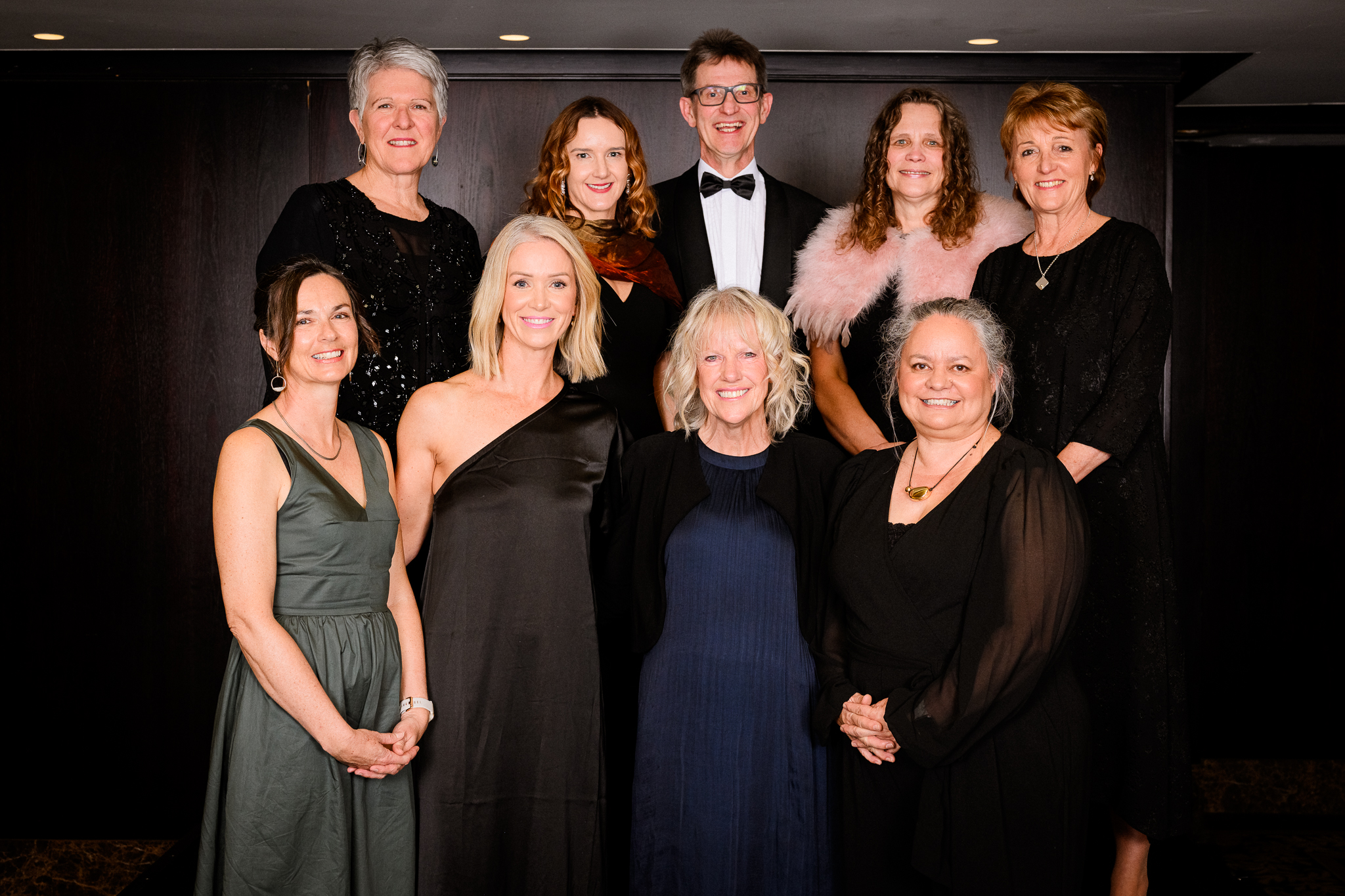
Another win for Te Tauihu
Not only was Manu Ora in Wairau named GP of the Year at the recent He Tohu Mauri Ora Primary Healthcare Awards 2025, Hauora Matua ki Te Tai Aorere, Nelson Bays Primary Health (NBPH), also returned home with a win.
The PHO’s Comprehensive Primary Community Team was named the BD Rowa Service of the Future. The team is dedicated to enhancing equity and health outcomes for at-risk populations, including Māori, Pacific Peoples, and tāngata whaikaha in rural communities with boosted support for early diagnosis, condition management, and preventative care. The judges wrote: “Your initiative reflected not only outstanding collaboration and operational agility but also a genuine dedication to addressing long-standing inequities in a practical, scalable way. Ka pai on this transformative and inspiring contribution.”
The Nelson Bays PHO’s Physiotherapy Primary Care Clinical Network was also named a finalist in the HALEO Excellence and Innovation in Rehabilitation category.
Te Kāhui Hauora extend a huge mihi to the entire NBPH team.
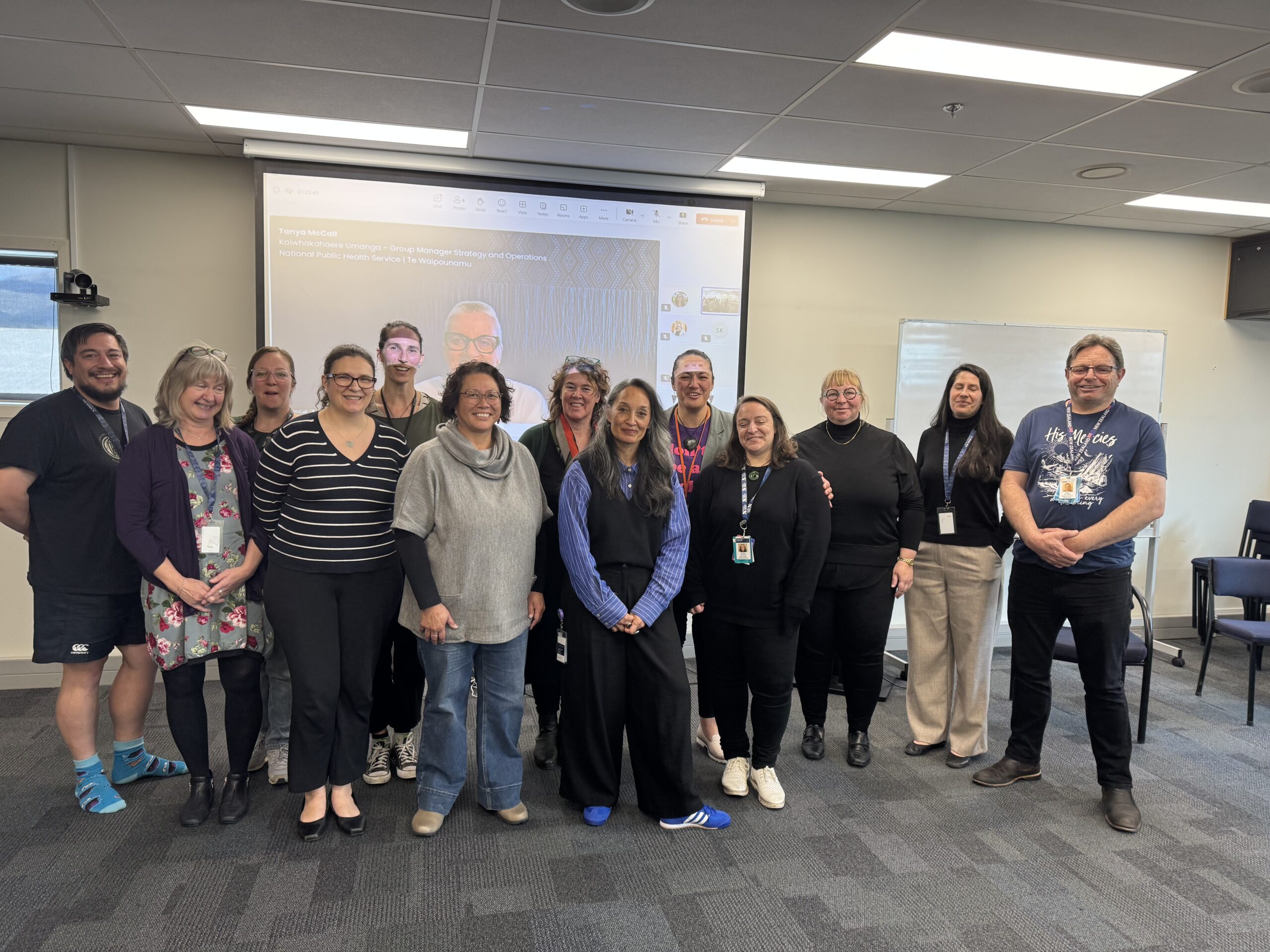
Rōpū Whakahaere
Last month, Te Kāhui Hauora Pouwhakahaere, Kim Ngawhika, attended a hui with the National Public Health Service (NPHS) as they begin setting up a local Rōpū Whakahaere group for Te Tauihu.
The purpose of the hui was to review regional programme plans and start shaping local health priorities for our rohe.
It was encouraging to see a strong commitment to ensuring these priorities are not only informed by data and intelligence but also grounded in the aspirations of iwi and hapū across Te Tauihu.
Kim shared Te Kāhui Hauora’s Community Health Plan and highlight the importance of whānau voice in guiding local decision-making.
The hui also featured a presentation from NPHS Intelligence Principal Advisor, Sydney Kingstone, on local data to support this work, followed by a workshop session to discuss emerging priorities.
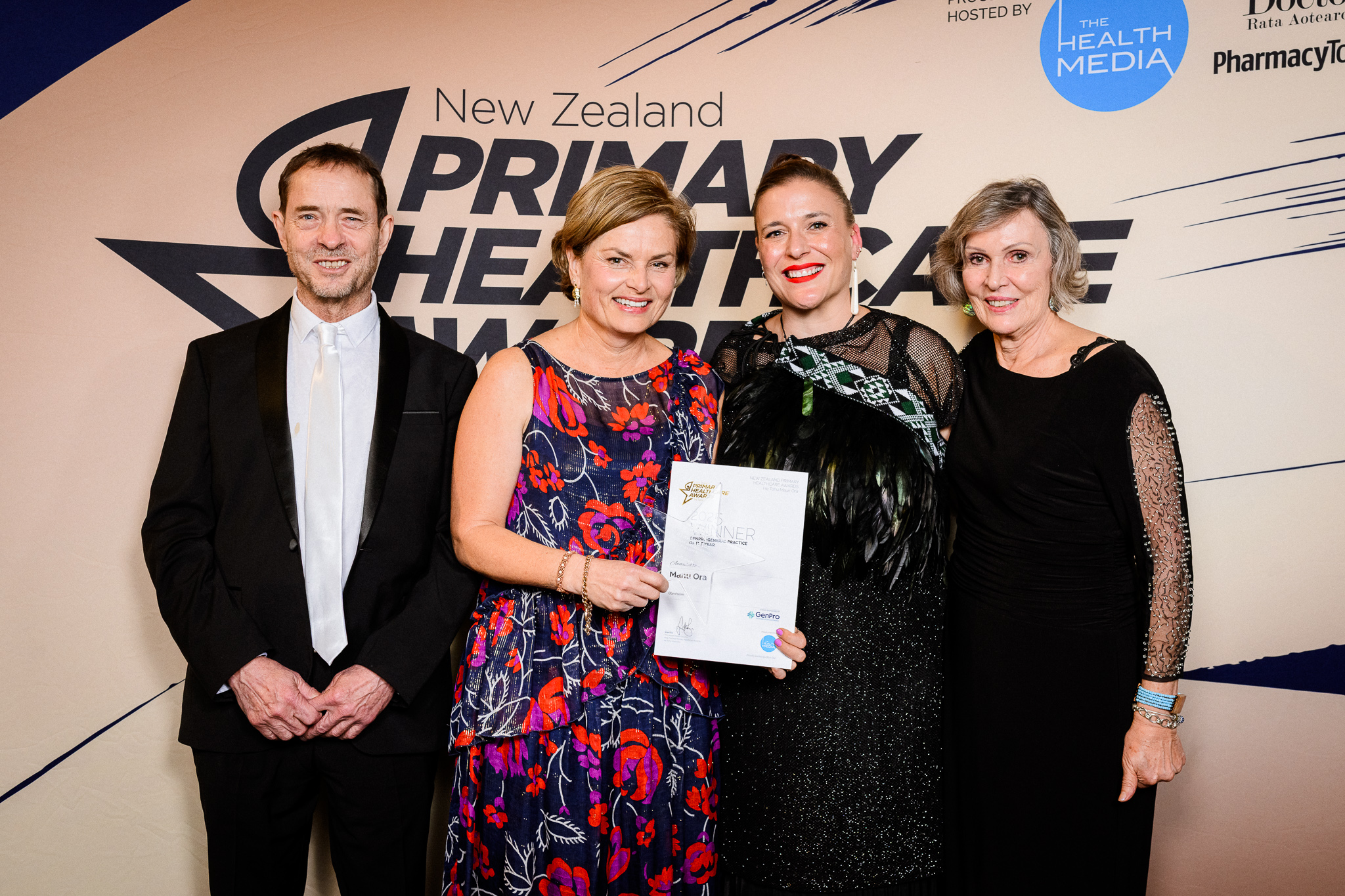
Manu Ora named General Practice of the Year!
Te Kāhui Hauora o Te Tauihu sends the heartiest of congratulations to the entire team at Blenheim’s Manu Ora, which was named GenPro General Practice of the Year at the 2025 New Zealand Primary Healthcare Awards | He Tohu Mauri Ora in Auckland on Saturday night.
Manu Ora is the only kaupapa Māori general practice in Te Tauihu. Established as a charitable trust and partnership between Te Piki Oranga and Nuku Health in 2021, Manu Ora serves Māori, Pasifika, immigrants and patients with complex needs who often struggle to access care elsewhere.
Manu Ora offers extended consultations, wraparound support and dedicated outreach to reduce barriers for patients and achieve more equitable hauora outcomes.
This is what the judges had to say: “[Manu Ora] stood out for a service that has been designed with focus on kaupapa Māori, pan-iwi governance, community connection, multidisciplinary comprehensive approach with focus on continuity and impact on both patients and the system. Outstanding.”
Te Kāhui Hauora is proud of everyone involved with Manu Ora – kaimahi, directors and, of course, partner Te Piki Oranga.
“Manu Ora” refers to the bird taking flight, having achieved hauora. There is no doubt about it, this team, together with those they serve, is flying high, and setting the benchmark for GP services in Te Tauihu.
Ngā mihi ki a koutou!
Pictured, from left, are Dr Angus Chambers, Chair of GenPro, with Manu Ora Directors Dr Rachel Inder (Mātanga Rata), Dr Sara Simmons (Mātanga Rata), and Anne Hobby (Tumuaki at Te Piki Oranga). Photo: SUPPLIED
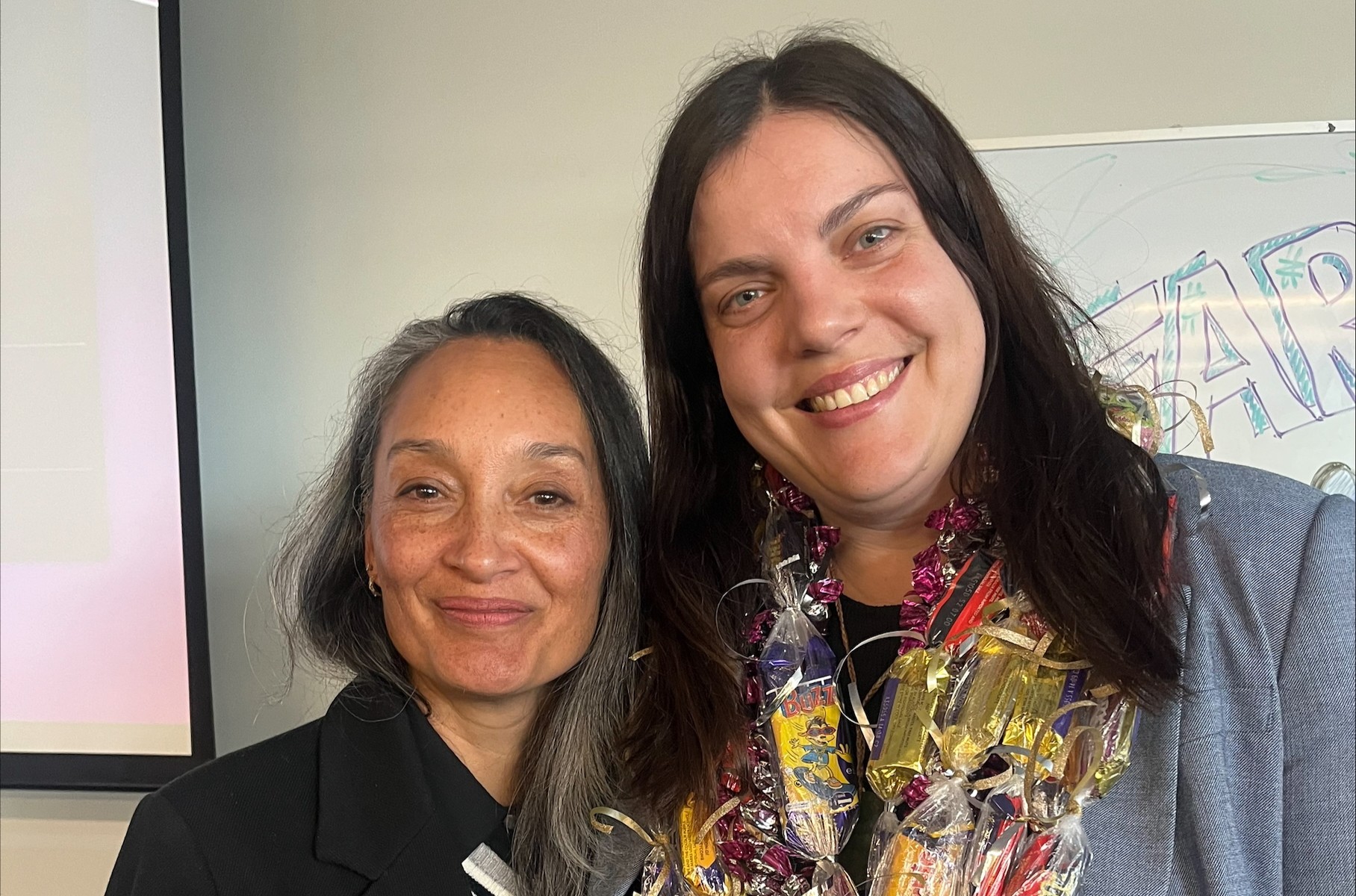
Ngā mihi ki a koe
 We joined the team at Nelson Bays Primary Health earlier this month to farewell a key member of their staff, Emily-Rose Richards.
Emily-Rose joined the PHO in 2016 and worked as the Executive Support Manager/EA to the Chief Executive. In that role, she was also secretary to the Board and Board subcommittees.
Kim, who also serves as Deputy Chairperson of the PHO, says Emily-Rose will be greatly missed.
“I would like to acknowledge her for professional acumen, which is of a very high level but also for the manaakitanga she has offered to Te Temu Whakaora, the Māori Advisory Group to Nelson Bays Primary Health. She has always gone above and beyond for us and ensured we are kept informed and on track.”
Ngā mihi nui ki a koe Emily, and best of luck as you start a new chapter!
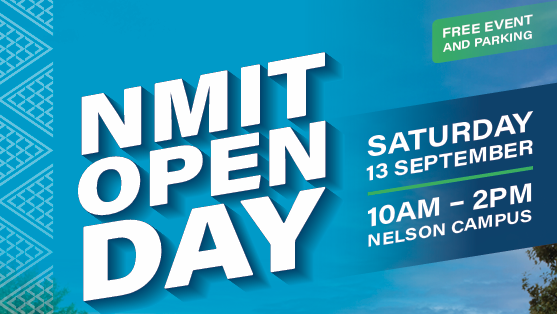
NMIT Open Day
 Rangatahi and pakeke thinking of studying or changing careers should check out NMIT’s Open Day on Saturday, September 13, from 10am to 2pm at the campus in Whakatū. A whole range of courses will be showcased, but of course, we’d love to see more whānau in the healthcare space. NMIT have amazing programmes for Nursing and Social Sciences, which includes counselling, social work and professional supervision.
NMIT also have some awesome bridging programmes that support whānau to prepare and transition into degree study.
It's never too late, e te whānau, so get on down there on September 13.
Local solution recognised on global stage
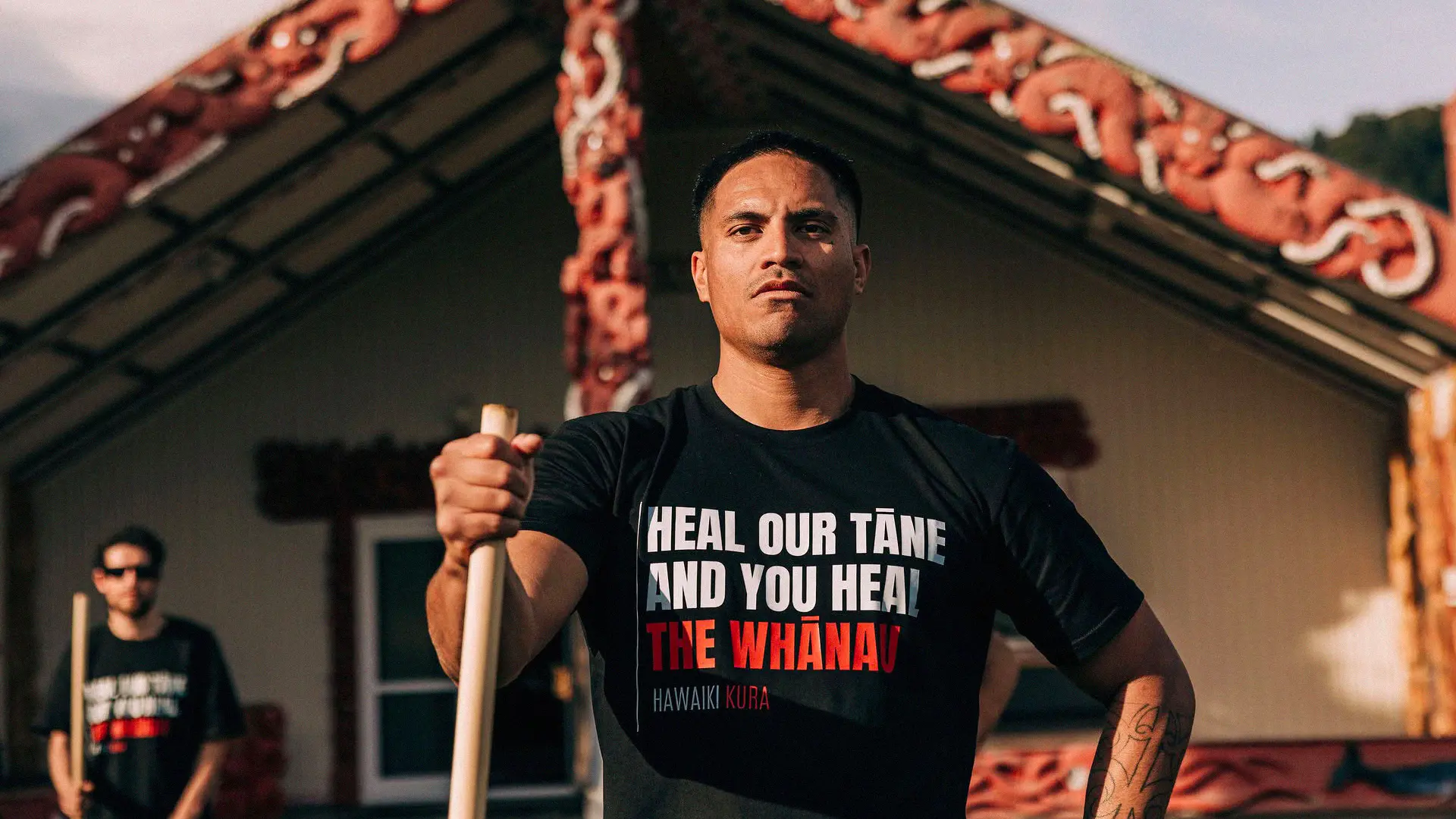
While men’s health in Aotearoa continues to face severe underinvestment, a global men’s health charity has put its money where its mouth is and has committed $63 million over seven years to improve the social and emotional wellbeing of indigenous men and boys across Australia, Aotearoa, Canada and the United States.
Even better, Movember has recently announced Te Tauihu-based Hawaiki Kura as its first New Zealand Innovation Grant recipient!
Kiley and Donna Nepia, co-founders of Hawaiki Kura, have been running Tāne Te Waiora for a few years now and are now recognised leaders in their field. The programme aims to transform the social, emotional, and overall wellbeing of its participants by fostering a profound sense of cultural reclamation, healing and community connection.
Through a strengths-based, mana-enhancing approach, Tāne te Waiora offers an authentic and safe space for tāne Māori to be empowered and reconnect with their identity, heal from intergenerational trauma and establish a strong community of like-minded individuals. Participants engage with taonga tuku iho (ancestral gifts) and mātauranga Māori, learning to integrate these timeless teachings into their lives in ways that foster oranga (holistic wellbeing) and cultural confidence.
Kiley says it has been humbling for their work to be recognised by Movember.
“Movember is a serious player and they are committed to the idea that we hold our own solutions. We don’t need another expert-led framework or study telling us what is wrong with us. We’re focused on positive change, and we see it every time we hold a wānanga. For a global organisation to recognise that gives us tremendous hope.
“We firmly believe when you heal the tane, you heal the whole whānau.”
Demand for the Hawaiki Kura model has grown beyond expectations and wānanga are now being delivered nationally.

Landmark health report finds inequity gap widening
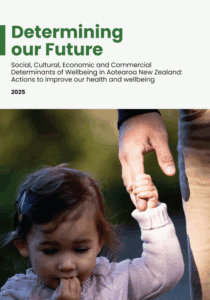 The Public Health Advisory Committee (PHAC), established under the Pae Ora (Healthy Futures) Act 2022, provides independent advice to the Minister of Health on major public health challenges.
Last week, the committee published the first major report on determinants of health and equity in Aotearoa in more than 25 years.
‘Determining our Future’ examines trends since 2000 in the distribution of the determinants of health (such as income, housing, cultural identity and social cohesion) and in health outcomes, and why these are unevenly distributed in our society.
It looks forward to 2040, and assesses challenges to health equity and wellbeing, including the impacts of commercial interests and of the ‘megatrends’ - the climate crisis, AI and digital technology.
It is stark reading e te whānau, and backs up what we already know – that Māori continue to bear the brunt of inequity. You can read the report here.
New Māori Service Regional Director for Te Waipounamu
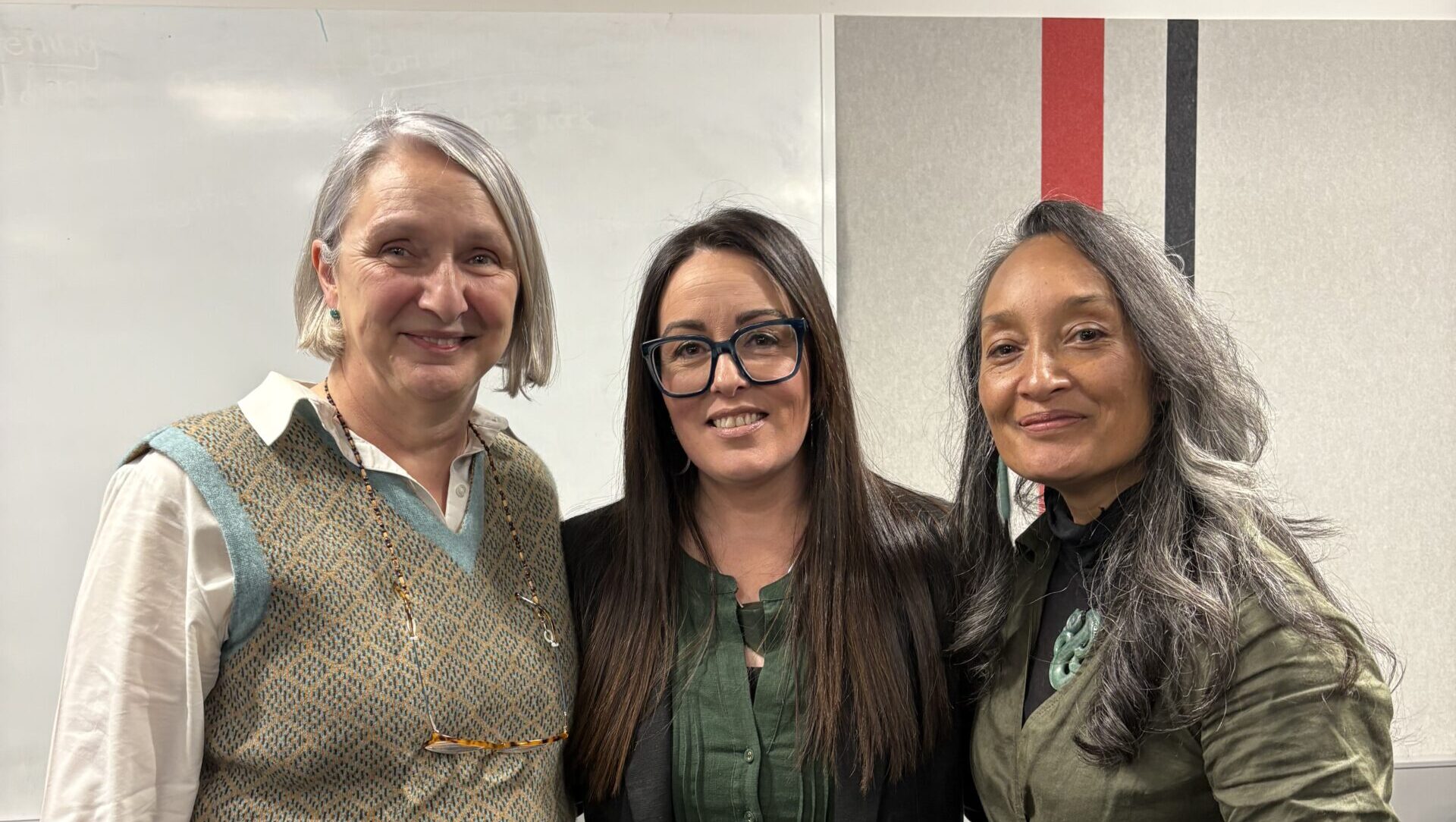
Pouwhakahaere Kim Ngawhika was in Ōtautahi earlier this week to welcome the new Health New Zealand - Te Whatu Ora Māori Service Regional Director for Te Waipounamu, Jeanine Tamati-Elliffe.
Jeanine (Kāi Tahu, Kāti Māmoe, Te Ātiawa, Ngāti Mutunga) brings more than 25 years’ experience in hauora Māori, iwi development, education and equity-focused leadership.
Jeanine was the first strategic hauora lead for Te Runanga o Ngai Tahu, shaping the iwi’s Hauora strategy before moving into the tertiary sector with the University of Canterbury and local government (Canterbury Regional Council). More recently, she served as the Tuia Te Herenga Initiative Lead with Environment Canterbury.
Te Kāhui Hauora extend a huge mihi to Jeanine as she starts this new chapter, and we are excited to work alongside her to support better outcomes for whānau Māori in Te Waipounamu.
We also acknowledge National Director, Hauora Māori Services, Selah Hart (Ngāti Kuia, Rangitāne o Wairau, Ngāi Tahu, Ngāti Toa Rangatira, Ngāti Apa ki te Rā Tō, Ngāti Kahungunu ki Wairarapa, Ngāti Whakaue), and Executive Regional Director for Te Waipounamu, Dr. Pete Watson, for welcoming us to Jeanine's mihi whakatau as valued partners.
Pictured, from left, Taone O'Regan, System Monitoring & Commissioning Lead with Te Tauraki IMPB, Jeanine Tamati Elliffe and Te Kāhui Hauora Pouwhakahaere Kim Ngawhika.