
A new space for care in Te Tauihu
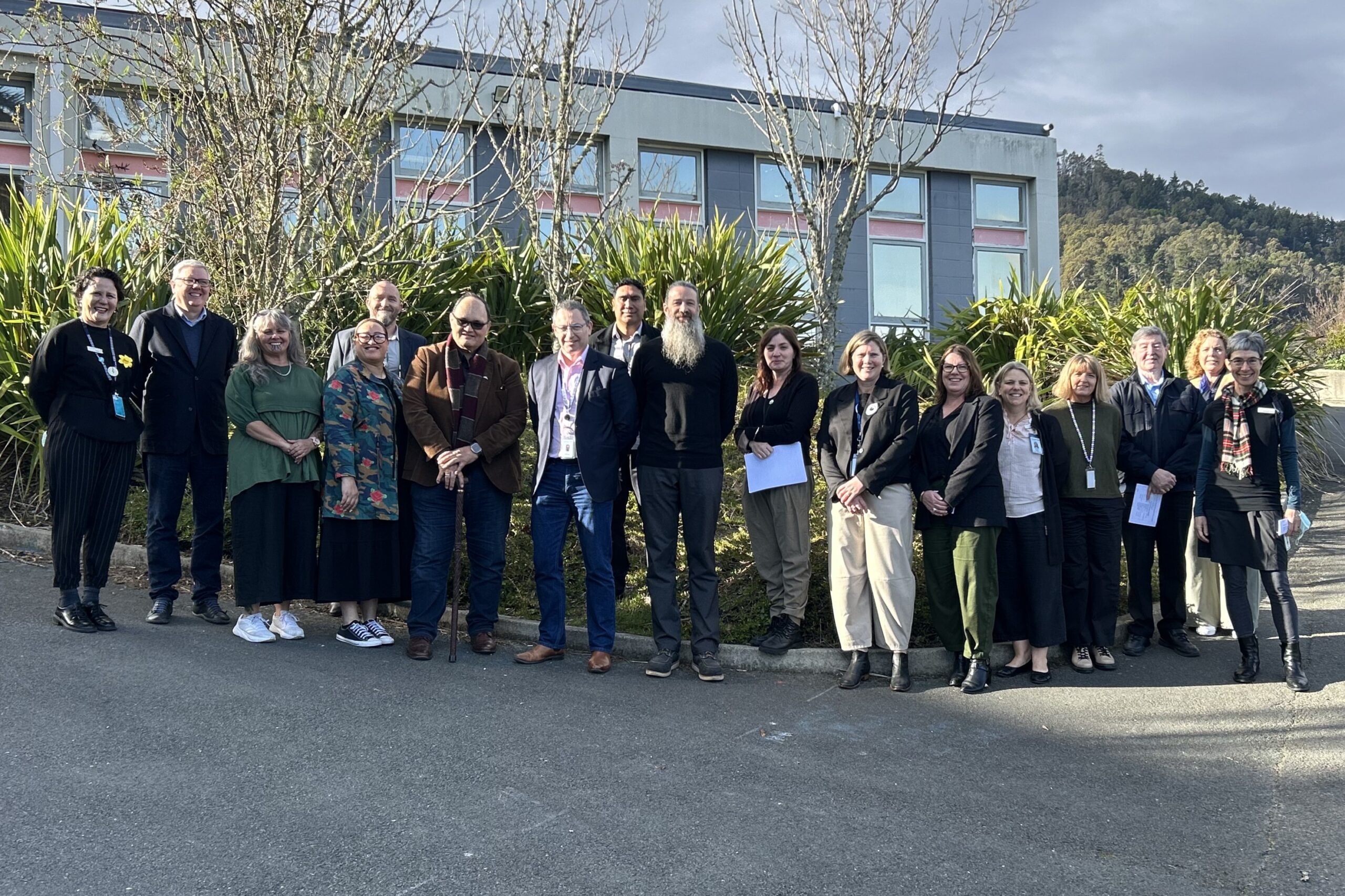
Te Kāhui Hauora joined iwi representatives, Te Whatu Ora kaimahi and others to mark an important milestone for Nelson Hospital, with the blessing of the site for the new Inpatient Unit.
The blessing was led by Matua Shane Graham.
Te Kāhui Hauora was represented by Clinical Lead Maria Briggs, who acknowledged the significance of the new facility for whānau across Te Tauihu.
“This will be a place where many of our whānau come at some of the most vulnerable times in their lives. As an IMPB, our role is to make sure whānau voice is heard and helps shape the services and care they receive. So we were pleased to stand alongside iwi and others this morning as this next stage begins.”
The blessing marks more than the beginning of a new building. For Te Kāhui Hauora, it is also an opportunity to keep advocating for a health system where the needs, experiences and aspirations of whānau Māori are reflected in how care is designed and delivered.
We look forward to seeing the new facility take shape and, ultimately, serve whānau and communities across Te Tauihu.

Whiria Te Ora
 Manatū Hauora’s Māori Health Strategy 2026 – Whiria Te Ora was released last week, setting a direction for improving health outcomes for Māori over the next five years.
The strategy focuses on delivering improvements in the areas that will make the biggest difference to increasing Māori life expectancy and the health of Māori across the life course and across generations, with healthy futures – pae ora – as the enduring vision.
It identifies opportunities for the health system to act early to promote health and prevent illness, deliver safe and timely access to quality care, sustain a strong and responsive health care workforce and provider network, and enable Māori leadership to drive system performance and innovation.
Read the strategy.
Te Rau Puawai
Te Rau Puawai is one of the most successful academic support programmes in the country - and applications for the next round are about to open.
If you have a passion for working in mental health and addiction and want to study at Massey with financial support through bursaries, plus an academic mentor and Pou-a-rongo, get your application ready!
The programme is a partnership between Health Workforce NZ and Massey University and is for students who want to begin or complete a Massey University qualification in the areas of:
- psychology
- nursing
- rehabilitation
- social work
- social policy
- Māori health
- Māori studies
- health science
Applications open on September 1 and close on October 31, 2026.
To find out more and to apply, see here.
Nau mai, Melissa
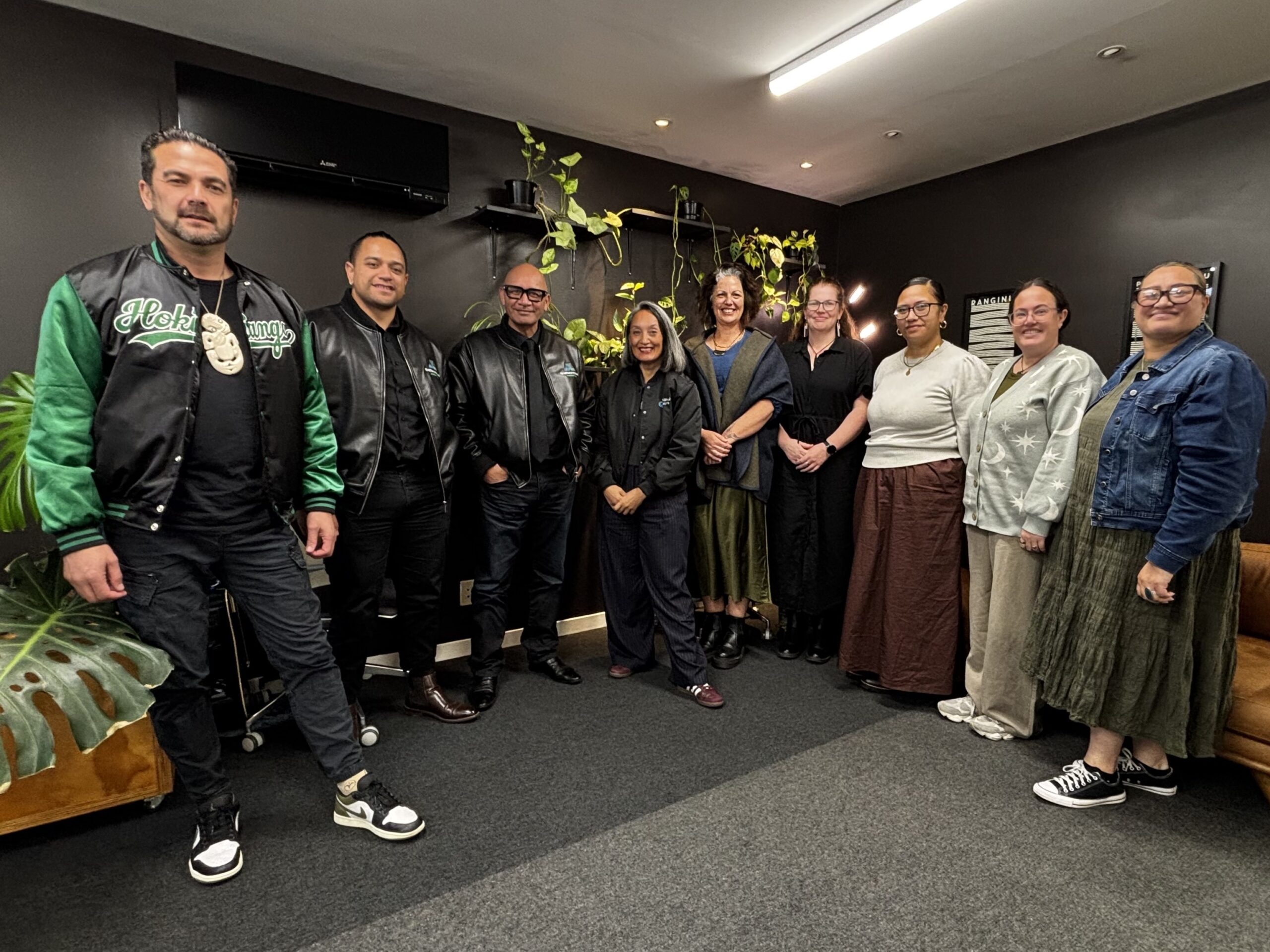
 We’re very happy to welcome Melissa Linton (Ngāti Apa ki te Rā Tō, Ngāti Kuia, Rangitāne o Wairau) to Te Kāhui Hauora o Te Tauihu as our new Whānau Voice Lead.
Melissa comes to us from Te Kotahi o Te Tauihu Charitable Trust, where she has spent the past four years supporting kaimahi and whānau across Te Tauihu. She brings with her strong relationships across our rohe, a deep commitment to whānau, and an understanding of the people and communities at the heart of this mahi.
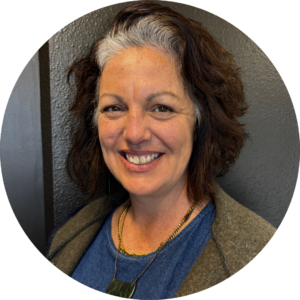
We had the privilege of welcoming Melissa with a mihi whakatau last week, bringing our kaimahi together with Te Kotahi o Te Tauihu kaimahi to mark the beginning of this new chapter.
Whānau voice is central to our kaupapa. Melissa will lead this mahi, making sure the experiences, aspirations and whakaaro of whānau continue to be heard and, importantly, help shape the decisions and mahi that follow.
We may be a small rōpū here at Te Kāhui Hauora, but there’s a lot of mahi happening around our table, and we’re very pleased to have Melissa pull up a chair alongside us.
New voice for mātāwaka
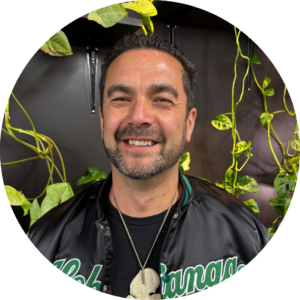 He kanohi hou, he reo hou ki te tēpu.
We warmly welcome Chook Norgate to our Board as our new mātāwaka representative.
I tipu ake ia ki Whakatū, Chook joins us with his whānau firmly at the heart of what he does and a strong commitment to hauora Māori and the voices of mātāwaka across Te Tauihu.
We are privileged to have his whakaaro, lived experience and connection to our communities around the tēpu, and warmly welcome him to the kaupapa.
Over to Chook …
Kei ngā hau tipua o te rohe nei, tēnā koutou. Mā koutou te hau e pupuhi ana, kia kore ai te hauora o te rohe, e tāngaongao.
Nā koutou te huruhuru i rere pai ai tēnei manu pī o Rāhiri. Nā reira, he iti tāku iti, e haere runga i ngā hau o Tāwhiri kia pā ki Maungataniwha,ā, ka tāwharau ki Te Tauihu.
Tēnei te manu pī o Rāhiri, ka mihi atu ki ngā hau tīpua o te rohe nei. Tēnā koutou.
I’m humbled to sit protected by the hau tipua of Te Tauihu, and carry the voice of mātāwaka, ensuring that this voice is heard and advocated for within the broader kaupapa of positive, meaningful, and intergenerational hauora outcomes for Ngāi Māori.
Tēnā tātou katoa.
Whānau Voice 2.0: You shared your voice. Here’s what we heard.
 Hundreds of whānau from across Te Tauihu have shared their experiences of hauora with us. Now we’re taking that kōrero forward.
Between December 2025 and June 2026, 584 whānau took part in Whānau Voice 2.0, sharing what is working well within the health system, where things are difficult, and what they want to see change.
More than 800 pieces of kōrero were shared alongside the survey responses. We read and considered every one.
He mihi nui ki a koutou katoa who gave your time, shared your whakaaro and trusted us with your experiences.
Some of what we heard was positive. Whānau told us about health professionals who listen and care, relationships built on trust, and kaupapa Māori providers making a real difference.
But we also heard about the barriers whānau continue to face.
Cost. Long waits. Travelling to get care. Trying to work out where to go next. Services that don’t always talk to each other. And whānau having to become advocates, navigators, carers and co-ordinators to make sure the people they love get the care they need.
One whakaaro came to capture much of what we heard: “Equity may not always be experienced as receiving more, but as being left to carry less.”
What whānau want to see change
Whānau told us healthcare needs to work better around their lives.
That means care that is easier to access and navigate. Earlier support before people reach crisis point. Stronger kaupapa Māori services. A supported Māori health workforce. Better communication between different parts of the health system. And care that recognises hauora is about more than a clinical appointment.
Te ao Māori, rongoā, whānau relationships, housing, education, transport, income and connection to community all play a part in our health and wellbeing.
The report makes ten recommendations based on what whānau told us, from designing services around whānau lives and investing in kaupapa Māori models of care, through to changing how services are commissioned and building a more connected health system.
So, what happens now?
Publishing Whānau Voice 2.0 is not the end of the mahi. As the Iwi Māori Partnership Board for Te Tauihu, our job is to make sure the voices of whānau reach the people making decisions about health services, funding and planning.
Over the coming months, we will use what you have told us to guide our advocacy and our work with the health system, Hauora Māori providers, iwi and other partners.
We’ll also soon begin the next round of Whānau Voice.
That matters because we don’t just want to know what things look like today. We want to keep listening, monitor what changes and, over time, be able to answer a very simple question: Is it getting better for whānau?
And you don’t need to wait for the next round of Whānau Voice to talk to us. If you have an experience with the health system, an issue you think we should know about, or something you want to kōrero about, you can contact our Whānau Voice Lead at any time.
Read the Whānau Voice 2.0 report
Read the Whānau Voice 2.0 summary
To every whānau member who shared their time, whakaaro and experiences with us: ngā mihi nui.
Your kōrero has shaped this mahi. Now it’s our job to carry it forward.
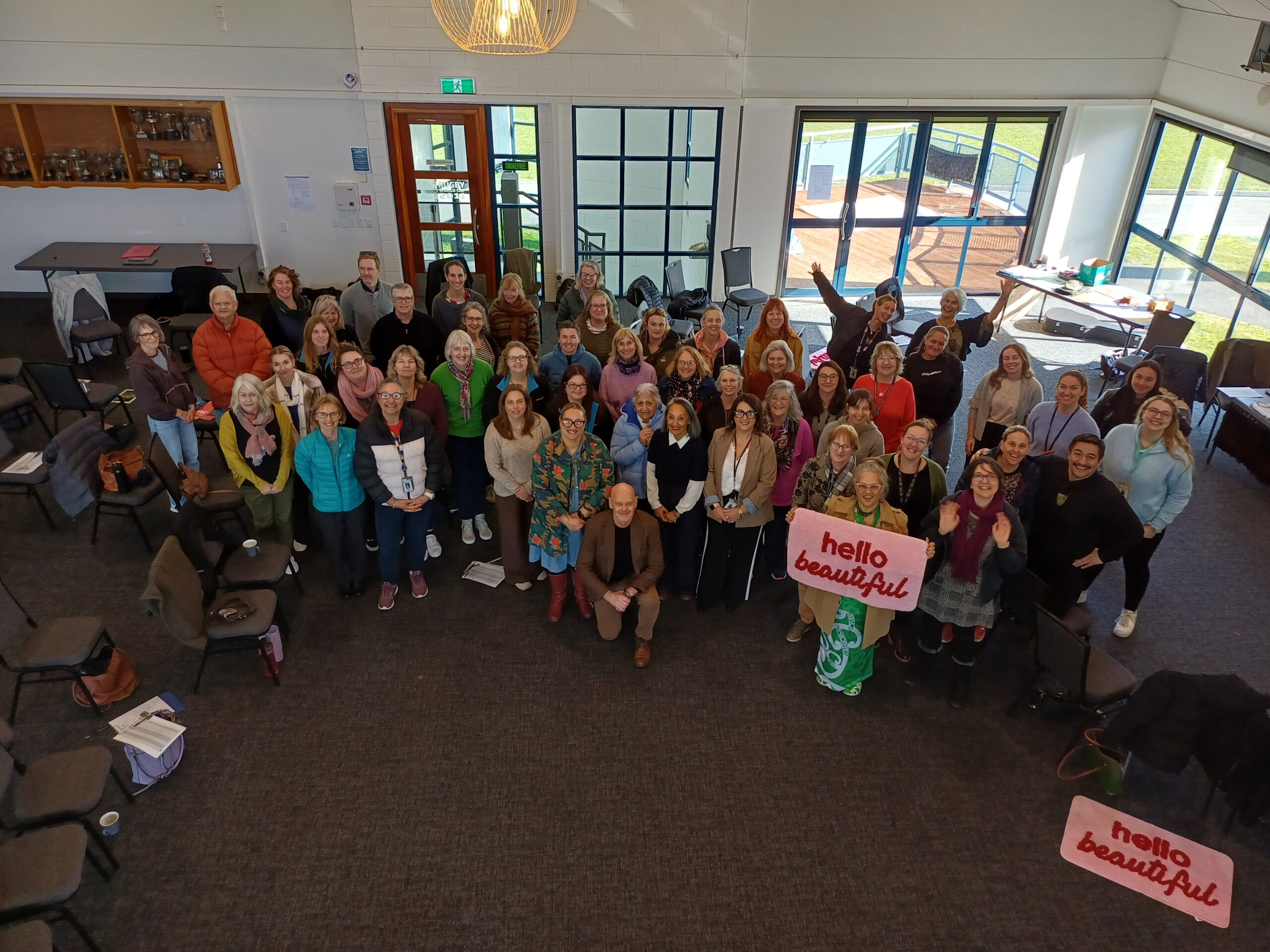
A morning with the NPHS
Getting out and talking to people about our mahi is always a highlight.
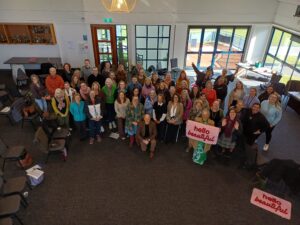
Last week, Pouwhakahaere Kim Ngawhika was invited to speak at the Matariki event for the National Public Health Service - Te Tauihu | Nelson Marlborough.
We gave an update of our work and shared context around Whānau Voice and why listening matters, acknowledging that every day our NPHS kaimahi are at the forefront of delivering critical programmes within their communities.
A huge mihi to Felicity Spencer, NPHS, Te Tauihu Community & Whānau Wellbeing Manager, for the invitation, Vince Barry, NPHS Regional Director Te Waipounamu, and the entire NPHS team.
Ngā Matapihi o te Wairua
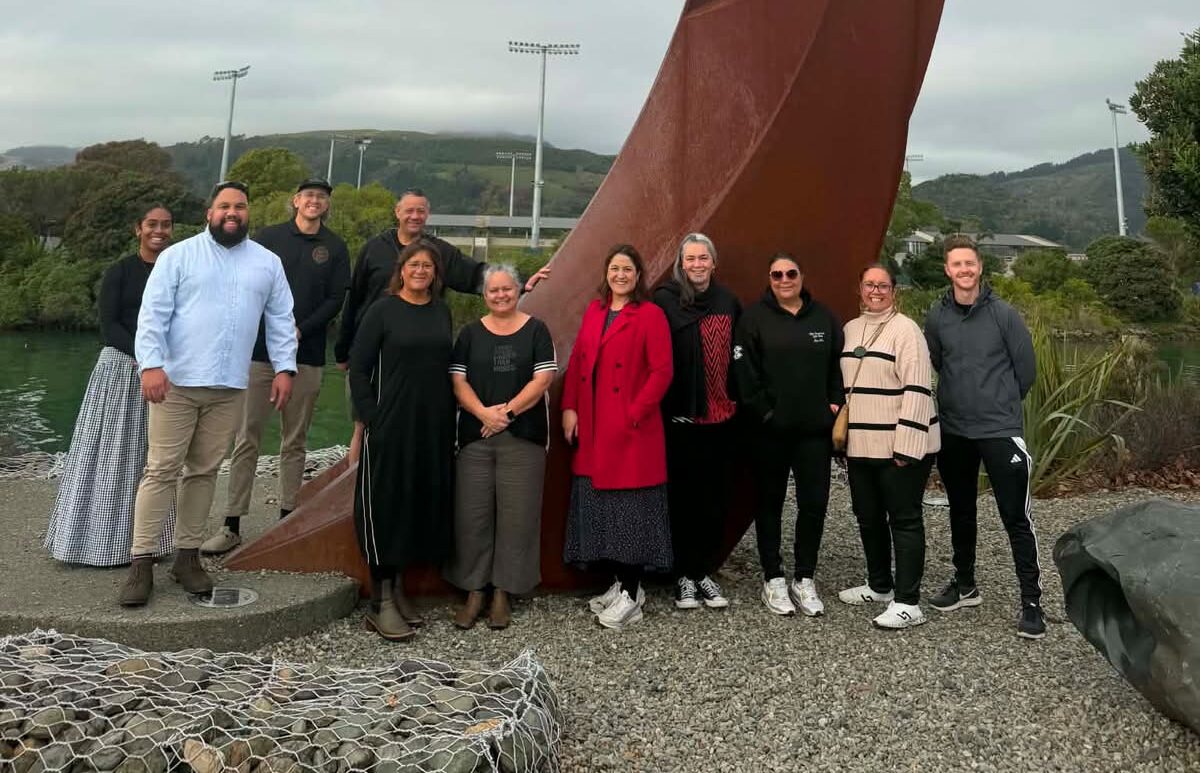
 Last month, Nelson Bays Primary Health hosted Ngā Matapihi o te Wairua, a national forum that brings together Māori leaders from across primary health care to strengthen relationships, share knowledge, and collectively advance equitable health outcomes for whānau Māori.
The two-day hui began with a pōwhiri at Whakatū Marae, followed by a thought-provoking discussion on the Nelson Tenths, providing important historical context, and a tour of sites of significance, where attendees heard local kōrero and gained a deeper understanding of the stories, people, and places that have shaped Whakatū.
Day two was dedicated to the work of the forum, with leaders discussing current priorities, emerging opportunities, and the evolving primary health landscape.
Ngā Matapihi o te Wairua is supported by General Practice New Zealand (GPNZ) and includes Māori health leaders from Primary Health Organisations (PHOs), Hauora Māori providers, and Te Whatu Ora Health New Zealand. Its purpose is to strengthen Māori leadership in primary care and collectively advocate for better health outcomes for whānau Māori.
The group's work is guided by values including:
- Tika, pono, aroha (integrity, honesty, compassion)
- Kotahitanga (unity)
- Whanaungatanga (relationships and connectedness)
- Tautoko te tahi ki te tahi (supporting one another)
- Āwhinatia (helping and uplifting others)
Rather than being a conference or one-off event, Ngā Matapihi o te Wairua is an ongoing national network. Members meet regularly for wānanga and hui to discuss Māori health priorities, share innovations, influence policy, and strengthen relationships across the primary health sector.
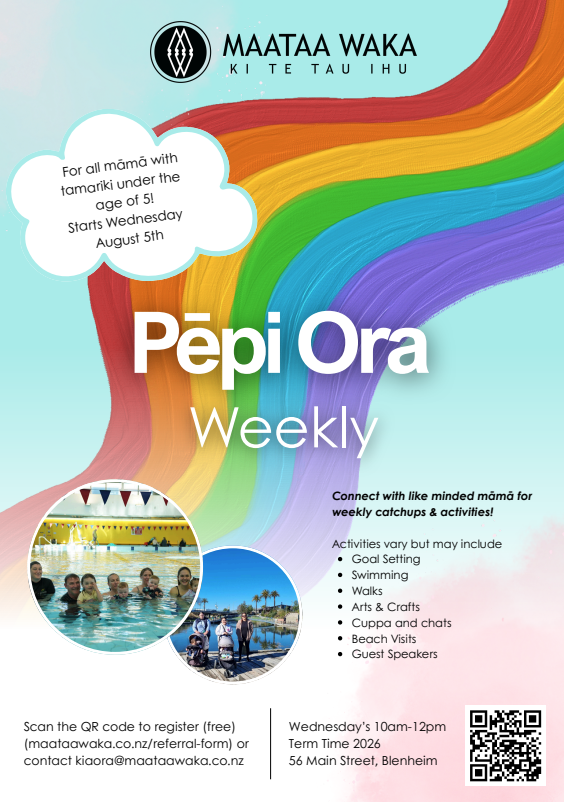
Pēpi Ora – Supporting Māmā, Pēpi and Whānau
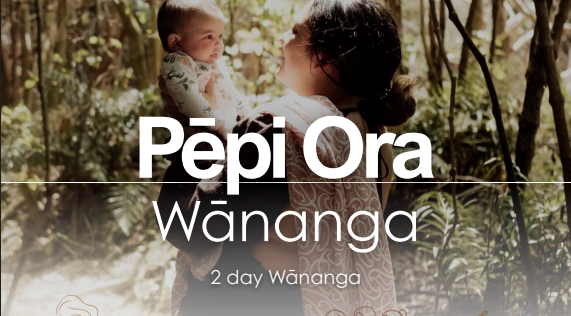
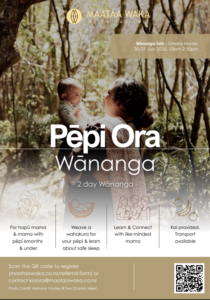
Maataa Waka ki Te Tauihu will this month deliver their first Pēpi Ora Wānanga at Omaka Marae.
The new initiative is being delivered across Te Tauihu to support the wellbeing of māmā, pēpi, and whānau during one of life’s most important journeys.
The programme provides holistic support throughout pregnancy, birth, and the postnatal period, helping māmā build confidence, strengthen connections, and access the care they need to thrive. Support is delivered through wānanga, structured hui, one-to-one mentoring, and wraparound care for māmā experiencing anxiety, postnatal challenges, or adjustment to parenthood.
At the heart of Pēpi Ora is whanaungatanga. The programme creates opportunities for whānau to connect with others, learn new skills, share experiences, and build supportive relationships that continue long after the programme ends.
For more information, see here or email Kowhai ([email protected]).
Clinical Lead
Clinical Lead
Whakatū, preferred – but negotiable
Fixed term: Now – July 31, 2027
Te Kāhui Hauora o Te Tauihu IMPB has a vacancy for a Clinical Lead to provides clinical leadership across Te Kāhui Hauora, ensuring that whānau voice informs clinical thinking, service improvement, and system transformation.
Working alongside the Pouwhakahaere and Whānau Voice Lead, the Clinical Lead provides clinical leadership to support the implementation of Te Kāhui Hauora's Community Health Plan. By interpreting Whānau Voice through a clinical lens and working collaboratively across the health system, the Clinical Lead helps translate strategic priorities into practical improvements that enhance the health and wellbeing of whānau across Te Tauihu.
The Clinical Lead will represent Te Kāhui Hauora within clinical and sector forums, building trusted relationships with Health New Zealand, Primary Health Organisations, clinicians, providers, iwi, and community partners. The role works across organisational boundaries to influence clinical pathways, improve equity, and support more integrated, whānau-centred models of care.
Rather than providing direct clinical services, the Clinical Lead acts as the bridge between the experiences of whānau and the clinical systems that shape their healthcare journeys, ensuring that whānau voice informs operational direction, service improvement, and strategic decision-making.
Success in this role will be reflected not only in stronger clinical relationships, but in measurable improvements against Te Kāhui Hauora's Community Health Plan and the experiences of whānau as captured through the annual Whānau Voice survey.
Ngā āhuatanga | About you
- Current registration and Annual Practising Certificate in an appropriate health profession.
- Extensive experience working within the New Zealand health system.
- Demonstrated clinical leadership and experience leading or contributing to quality improvement or service redesign initiatives.
- Strong understanding of health pathways across primary, community, hospital, and kaupapa Māori health services.
- Experience working collaboratively with Māori communities and kaupapa Māori organisations.
- Understanding of Te Tiriti o Waitangi and its application within health.
- Knowledge of the Pae Ora (Healthy Futures) Act 2022 and the role of Iwi Māori Partnership Boards is desirable.
- Able to translate complex clinical issues into practical advice and action.
- Excellent written and verbal communication skills.
- Strong analytical and problem-solving skills.
- Committed to kaupapa Māori, equity, and continuous improvement.
If this sounds like you, please email a cover letter and your CV to Pouwhakahaere Kim Ngawhika at [email protected] by Friday, July 25, 2026.