
Te Tauihu Directory
Te Hononga
Find and connect with iwi, marae and Hauora Māori Providers across Te Tauihu.
Jump to: Hauora Māori Providers | Iwi | Marae
Ngā Ratonga Hauora Māori | Kaupapa Māori Hauora Providers
Te Piki Oranga is the largest kaupapa Māori primary health provider in Te Tauihu, with community health hubs in Whakatū, Wairau and Motueka. It also provides extensive in-home, mobile and community outreach services to whānau across the rohe.
Maataa Waka ki Te Tauihu is a kaupapa Māori hauora provider supporting whānau across Marlborough. Its services include Whānau Ora, rangatahi programmes, youth housing, family violence prevention, financial mentoring and social support, delivered through a holistic approach grounded in kaupapa Māori values.
Manu Ora is the only kaupapa Māori general practice in Te Tauihu. Established in 2021 by Te Piki Oranga and Nuku Health, the Blenheim practice supports Māori, Pasifika, immigrants and people with complex needs who may face barriers to accessing care.

Hawaiki Kura is a whānau-owned organisation delivering wānanga and programmes grounded in te ao Māori across Te Tauihu and Aotearoa. Its mahi supports rangatahi, tāne and wāhine through cultural connection, mātauranga Māori and traditional practices including mau rākau, rongoā and tākaro Māori.

He Kai Kei Aku Ringa is a Motueka-based not-for-profit organisation delivering seasonal wānanga for tamariki, rangatahi and pakeke. Participants learn to hunt, dive, fish, gather and prepare kai, building confidence and wellbeing while strengthening connections to te taiao, kai and community.
Te Hauora o Ngāti Rārua is a kaupapa Māori health provider supporting whānau across Marlborough. Its services include Whānau Ora navigation, rongoā Māori and programmes supporting kaumātua and tangata whaikaha. With an open-door approach, whānau are welcome to drop in, even if it’s just for a cup of tea.
Te Kotahi o Te Tauihu Trust was established in 2021 by the eight iwi of Te Tauihu. The charitable trust supports whānau across Te Tauihu through mahi focused on hauora and wellbeing, food security, reducing hardship, education and building skills.

Waikawa Marae Whānau Ora Navigators provide coaching, advocacy and practical support to help whānau develop and implement their own whānau ora plans. Where other support is more appropriate, Navigators help whānau connect with the services they need.
Whakatū Marae provides a range of services for whānau across Nelson-Tasman. Kaimahi work alongside whānau using Māori models of practice, recognising the role of whakapapa, tikanga, wairua, mauri and mana in strengthening whānau wellbeing.
Te Korowai Manaakitanga Trust is a kaupapa Māori social services organisation supporting whānau across Whakatū and the wider Nelson area. Its mobile and community-based services include social work, financial mentoring, FASD support, life skills programmes and initiatives supporting whānau wellbeing, cultural connection and food security.
Ngā Iwi | Iwi
Ngāti Apa ki te Rā Tō is a Kurahaupō iwi whose tīpuna settled in Te Tauihu over many generations. The name means Ngāti Apa of the setting sun.
Ngāti Kuia is a Kurahaupō iwi with deep connections to Te Hoiere, where Kaikaiāwaro holds a special place as kaitiaki in the kōrero and identity of the iwi.
Ngāti Koata whakapapa to their ancestress Koata of Tainui, with a rich heritage and history embodied in their people, places and taonga.
Ngāti Rārua descend from the Tainui waka and take their name from the ancestress Rāruaioio, from whom they trace their whakapapa. Her descendants came to call themselves Ngāti Rārua.
Ngāti Tama descend from the ancestral waka Tokomaru and take their name from Tamaariki, rangatira and navigator, alongside tohunga-navigator Rākeiora who guided Tokomaru to Aotearoa.
Ngāti Toa Rangatira are a Tainui iwi descended from the eponymous ancestor Toa Rangatira. The iwi migrated south under the leadership of Te Rauparaha in the 1820s.
Rangitāne o Wairau descend from Whātonga, a principal rangatira aboard the Kurahaupō waka. Their whakapapa in Te Tauihu stretches back to the arrival of Te Huataki in the sixteenth century.

Te Ātiawa o te Waka-a-Māui trace their origins to Toi-te-huatahi and to Awanuiarangi, their eponymous ancestor, whose descendants became known as Te Tini o Awanuiarangi.
Whakapapa to an iwi outside Te Tauihu? Te Kāhui Māngai can help you find your iwi, hapū, marae and representative organisations.
Ngā Marae o Te Tauihu | Marae of Te Tauihu
Hauhunga Marae
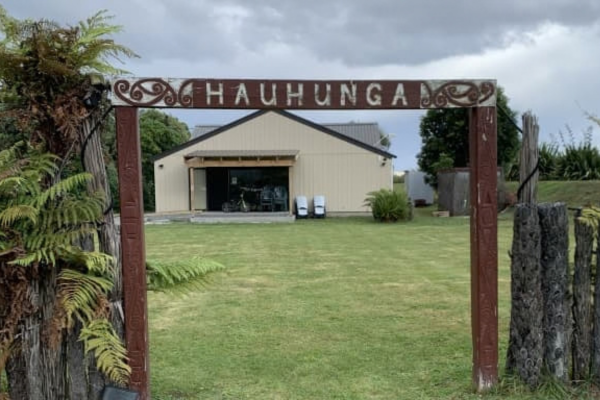
Hauhunga Marae is the marae of Ngāti Rārua o Te Wairau, with connections to the hapū Ngāti Paretona and Te Arawaere. Its whare tupuna is Parerārua. The marae provides a place for whānau to reconnect with their whakapapa, hapū, iwi and whenua in Wairau, strengthening these connections across generations.
Ōmaka Marae

Ōmaka Marae in Blenheim is a marae for the whole community, with kawa Rangitāne and whānau from many iwi. Its whare rūnanga, Te Aroha o Te Waipounamu, opened in 1985. The marae connects ancestrally to Tapuae-o-Uenuku, the Wairau River and the Kurahaupō waka.
Onetahua Marae
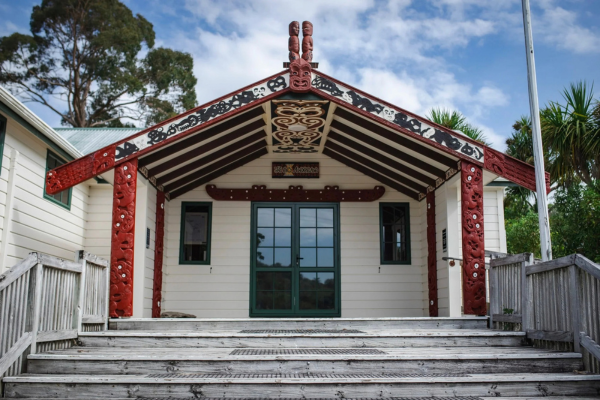
Onetahua Marae in Pōhara, Mohua, brings together Ngāti Tama, Te Ātiawa and Ngāti Rārua, alongside mātāwaka whānau. Its whare tupuna is Te Ao Marama. Established in 1986, the marae takes its name from Onetahua, the original name for Farewell Spit, meaning “heaped up sand”.
Te Āwhina Marae
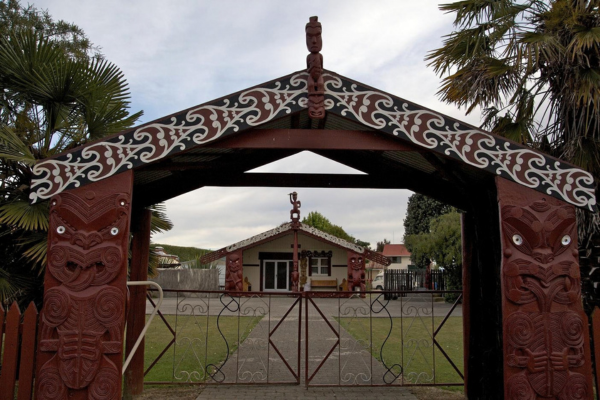
Te Āwhina Marae in Motueka is a home for all, including mātāwaka and the wider community. Its iwi are Ngāti Rārua and Te Ātiawa o Te Waka-a-Māui, and its whare tupuna is Turangāpeke. The marae has strong connections with Wakatū Incorporation and Whakarewa – Te Whānau o Motueka.
Te Hora Marae
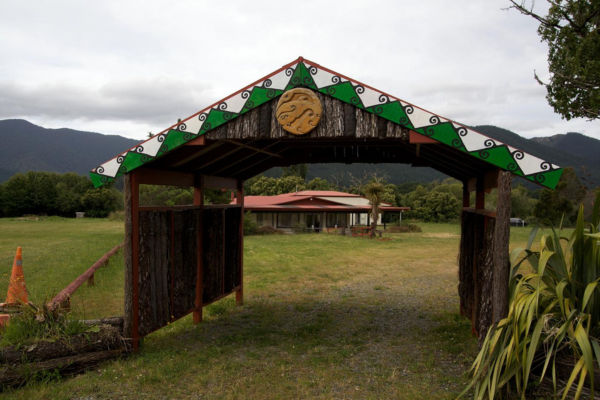
Te Hora Marae in Te Hoiere is the marae of Ngāti Kuia, te iwi o te pakohe. Ngāti Kuia hold deep cultural and historical connections to Te Hoiere, shaped by generations of whakapapa and connection to the whenua. The marae connects to Tutumapou maunga, the Hoiere awa and Te Hoiere waka.
Tuamātene
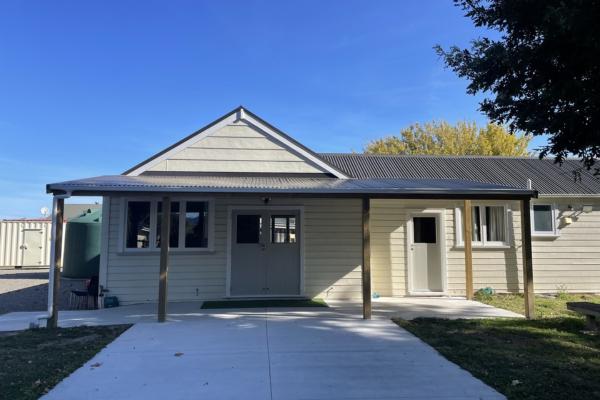
Tuamātene in Grovetown is a longstanding home for uri of Rangitāne o Wairau and an important place for whānau to gather and connect. Its wharenui is Te Pokohiwi o Kupe. Nearby is Punatoihi, a puna where important rituals were conducted by Rangitāne tūpuna over many generations.
Waikawa Marae
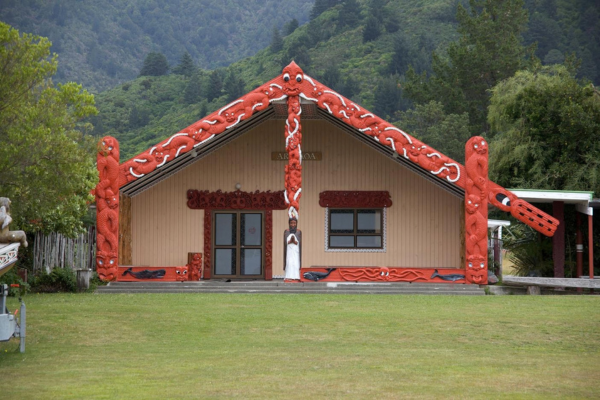
Waikawa Marae has strong associations with Te Ātiawa o te Waka-a-Māui and stands at the entrance to Tōtaranui. Its whare tūpuna is Arapaoa. The marae welcomes tangata whenua, mātāwaka and the wider community: Mōu, mōku, mō ngā iwi katoa.
Wairau Pā Marae
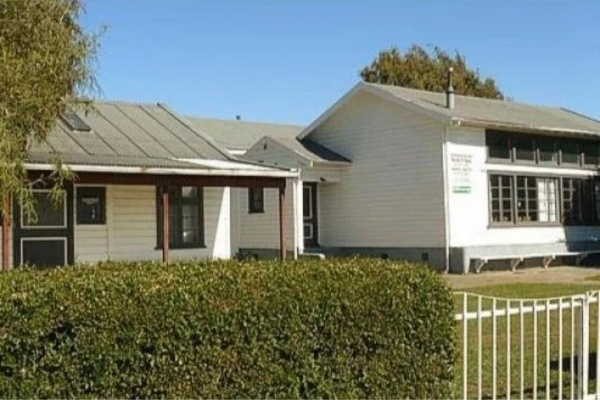
Wairau Pā Marae at Spring Creek, just north of Blenheim, has strong associations with Ngāti Toa Rangatira, Rangitāne o Wairau and Ngāti Rārua. Its whare tupuna is Wairau. The marae connects ancestrally to Tokomaru and Tapuae-o-Uenuku maunga and the Wairau awa.
Whakatū Marae
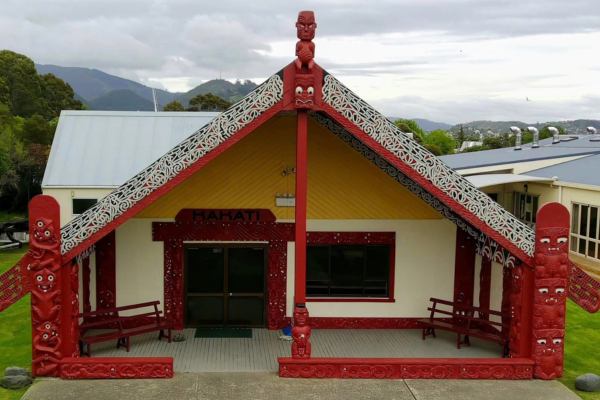
Whakatū Marae in Atawhai brings together six iwi of Te Tauihu across three waka. Its whare tupuna, Kaakati, is named for an ancestor shared across many of these whakapapa. The marae is also home to a range of whānau and community services.
Marae across Aotearoa
Looking for a marae beyond Te Tauihu? Māori Maps can help you find marae across Aotearoa and learn more about their iwi, hapū, rohe and whakapapa connections, with information to help whānau reconnect with their tūrangawaewae.
Ngā Rōpū Whenua Māori | Māori Land Organisations
Wakatū Incorporation is a Māori-owned organisation whose owners descend from the customary landowners of Whakatū, Motueka and Mohua. Its owners whakapapa to Ngāti Koata, Ngāti Rārua, Ngāti Tama and Te Ātiawa, with a shared purpose of preserving and enhancing their taonga for future generations.

Ngāti Rārua Ātiawa Iwi Trust (Whakarewa) represents descendants of the original Ngāti Rārua and Te Ātiawa landowners of the Whakarewa Estate in Motueka. The Trust manages and nurtures these lands and assets for their descendants, following their return to Māori ownership in 1993.
Te Here-ā-Nuku Trust holds and protects land and compensation returned through the 2025 Resolution Agreement with the Crown. Established to carry forward the original aspirations of the Nelson Tenths agreement, the Trust supports the wellbeing and advancement of Ngā Uri, now and for future generations.