
Make sure your whānau are registered with a GP
E te whānau, GPs are your first point of contact for all your health needs. In Te Tauihu, about 18% of whānau Māori are currently not registered with a GP.
Te Kāhui Hauora IMPB, Te Piki Oranga, Te Hauora o Ngāti Rārua, Nelson Bays Primary Health, and Marlborough Primary Health can all work directly with whānau to connect them with a GP in their area. Self-enrolment is also straightforward. The most important thing to us is that all whānau are registered and able to access the services they need.
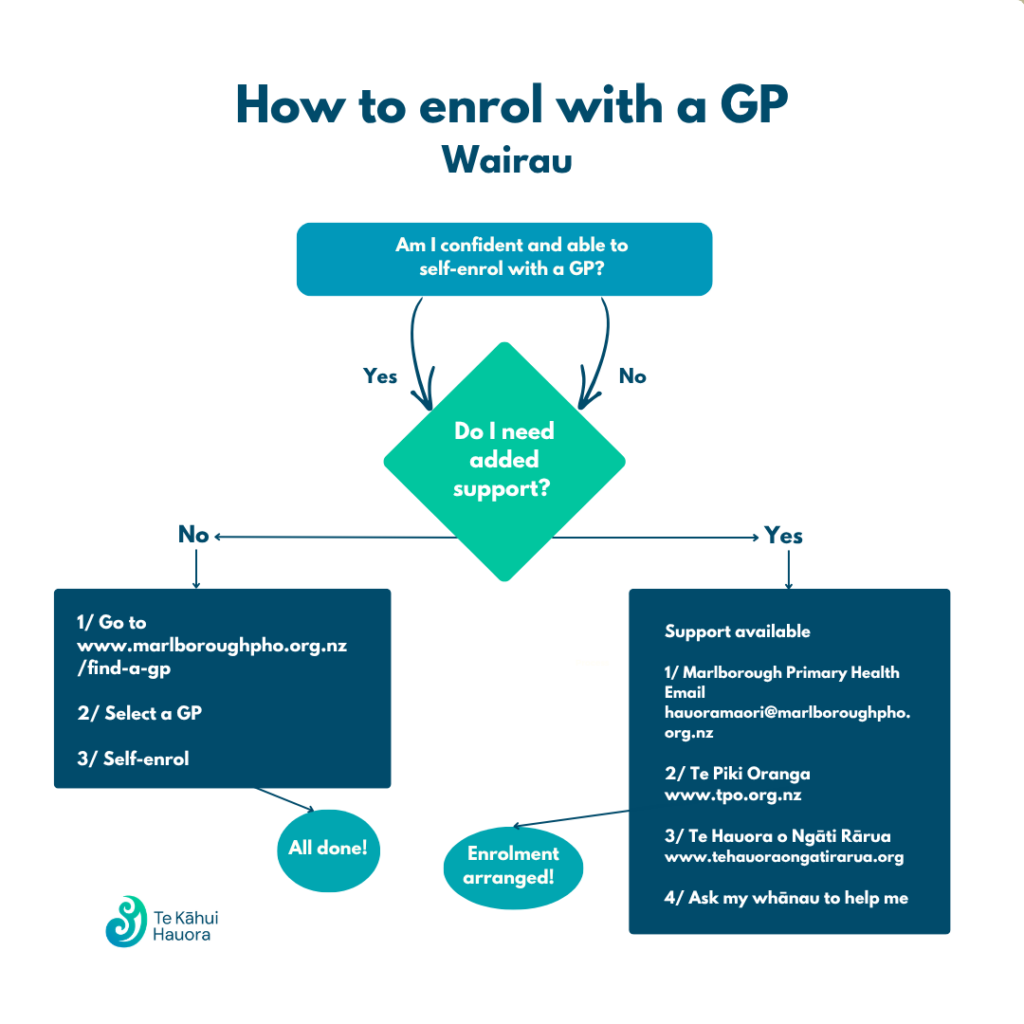
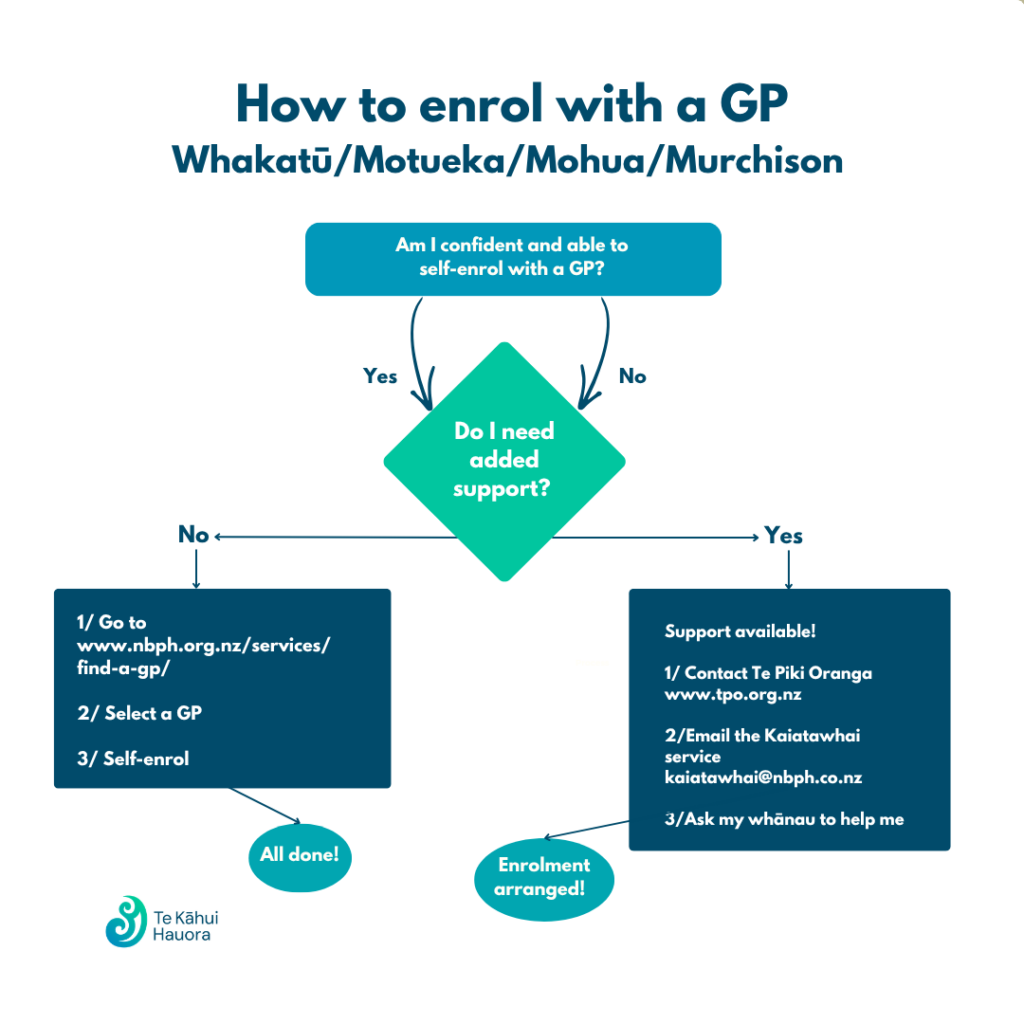
WHAT YOU NEED TO ENROL
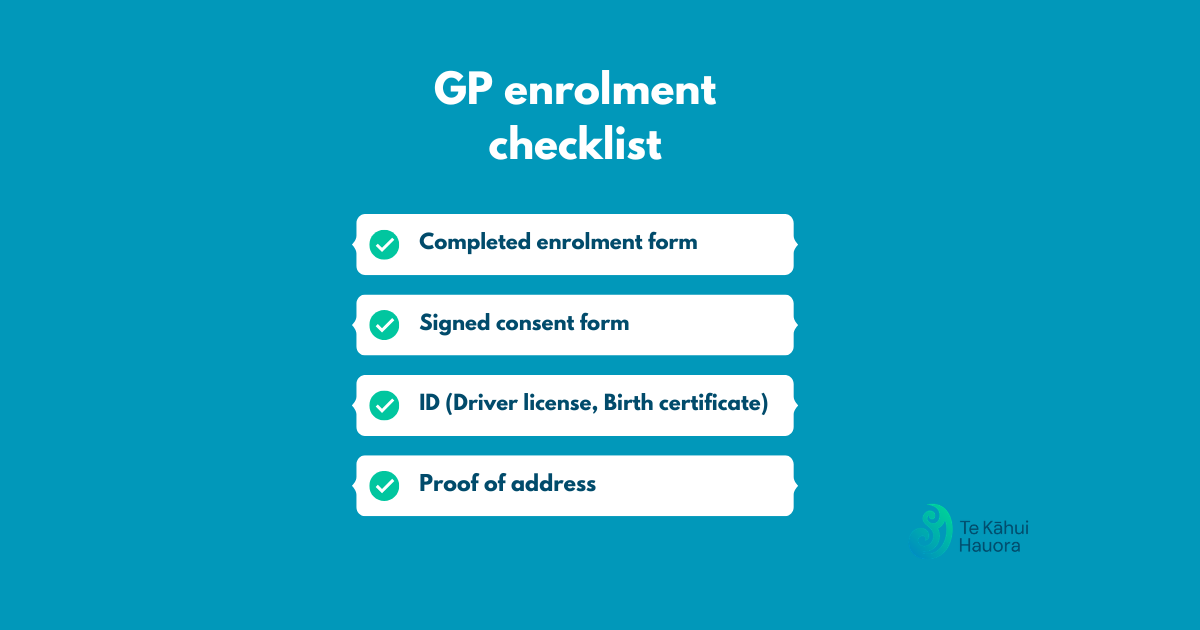
There are a few things you need to enrol with a GP, e te whānau.
1/ Completed enrolment form (this will differ depending on which GP you select).
2/ A signed consent form which allows GPs to share information with their Primary Health Organisation (either Nelson Bays Primary Health or Marlborough Primary Health)
3/ ID, either your Driver license, birth certificate or passport
4/ Proof of address
Ngā mihi nui ki a koutou. Being enrolled with a GP is an essential step to receiving the care you may need.

New pilot programme to support Māori job seekers
E te whānau, are you thinking about a career in health? Check out this new pilot programme, Ngā Ara Tūhono o Te Tauihu!
Ngā Aho Tūhono o Te Tauihu is a three-week pilot programme designed to support Māori jobseekers into qualifications and employment pathways within the health sector.
Who is running it?
Ngā Aho Tūhono o Te Tauihu is a pilot programme endorsed by the Regional Intersectoral Forum (RIF) and developed in partnership between the eight iwi of Te Tauihu, NMIT, Te Whatu Ora | Health NZ, the Ministry of Social Development, Te Kotahi o Te Tauihu Trust and Te Kāhui Hauora Iwi Māori Partnership Board.
It is being co-ordinated by Te Kotahi o Te Tauihu Trust and will also call on the expertise of our local Te Tauihu Hauora Māori Providers as well as others already working within the health system
What is the Regional Intersectoral Forum (RIF)?
Te Tauihu Regional Intersectoral Forum (RIF) brings together senior leaders of Te Tauihu iwi, government agencies and the three councils of Te Tauihu (Nelson City Council, Tasman District Council, Marlborough District Council).
What will tauira learn?
The three-week programme will provide participants with an introduction to the skills and knowledge that are valued in the health sector. It will include information about the range of opportunities in health, from clinical fields to health care assistants, and in support departments such as IT, administration, and security.
The programme will also include practical topics that are useful in the workplace, such as basic computer skills, use of AI, information sharing and privacy, health and safety, and first aid.
How does this provide a pathway to a job?
Participants will be provided with support to transition into the workforce. Once in work, Te Kotahi o Te Tauihu Trust will provide ongoing cultural guidance and mentorship, and the NMIT Manaaki Rōpū will offer advice and support for further training and qualifications.
Who can enrol?
Ngā Aho Tūhono o Te Tauihu is open to Māori jobseekers in the Nelson and Tasman region.
Are spaces limited?
Yes, there are limited spaces available for this pilot, so tell your whānau and friends, and give them a nudge to sign up quick.
Does it cost anything?
The programme is free and will include any training materials required. Help with the cost of transport may be available.
When and where is this happening?
The three-week programme commences on Monday 22 June 2026 and runs Monday to Friday from 9am to 3pm. It will be delivered at the NMIT campus in Hardy Street, Nelson.
How do I find out more?
A huihuinga kōrero (information session) will be held on Monday 15 June 2026 at 1.30pm at NMIT campus. You can register your interest in attending the information session here by Friday 12 June at 12pm. Or email Haki Turu [email protected] for further information.
New regional datasets
New regional data from the New Zealand Health Survey has been released, providing up‑to‑date insights into the health and well-being of whānau Māori across the motu. The Regional Data Release brings together results from multiple years of the continuous Health Survey using a three‑year rolling average, making it easier to understand patterns and differences at regional and local levels, including across health regions, councils, and Iwi Māori Partnership Board areas.
The updated data covers a wide range of health topics for adults and tamariki, with breakdowns by age, gender, ethnicity, disability status, and neighbourhood deprivation. This enables Māori health providers, iwi partners, and planners to explore how outcomes vary across different communities and life stages, supporting more informed kaupapa Māori decision‑making and local service planning. Guidance and an indicator reference guide are available to support interpretation and ensure the data is used appropriately and consistently.
We encourage the Māori health sector and iwi partners to explore the results and consider how this information can support local priorities, commissioning, and advocacy. The full regional data tables, supporting guidance, and downloads are available on the Ministry's website: www.health.govt.nz/publications/regional-data-release-new-zealand-health-survey.
Tūpuna Parenting
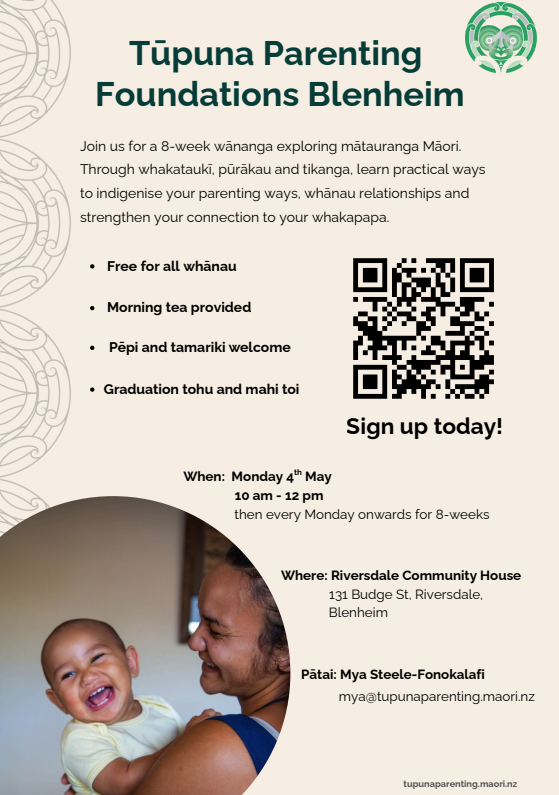
Te Piki Oranga’s Tamariki Ora team in Wairau is hosting an eight-week Tūpuna Parenting Foundations course.
Through whakataukī, pūrākau and tikanga, participants learn practical ways to indigenise parenting, whānau relationships and strengthen connections to whakapapa.
This course is free. Please self-register or reach out to Mya Steele-Fonokalafi by emailing [email protected] to see if spaces are still available.
https://youtu.be/s2TsxIWrkVE?si=_xv6HdIEqebEWh2w
Making a difference for whānau
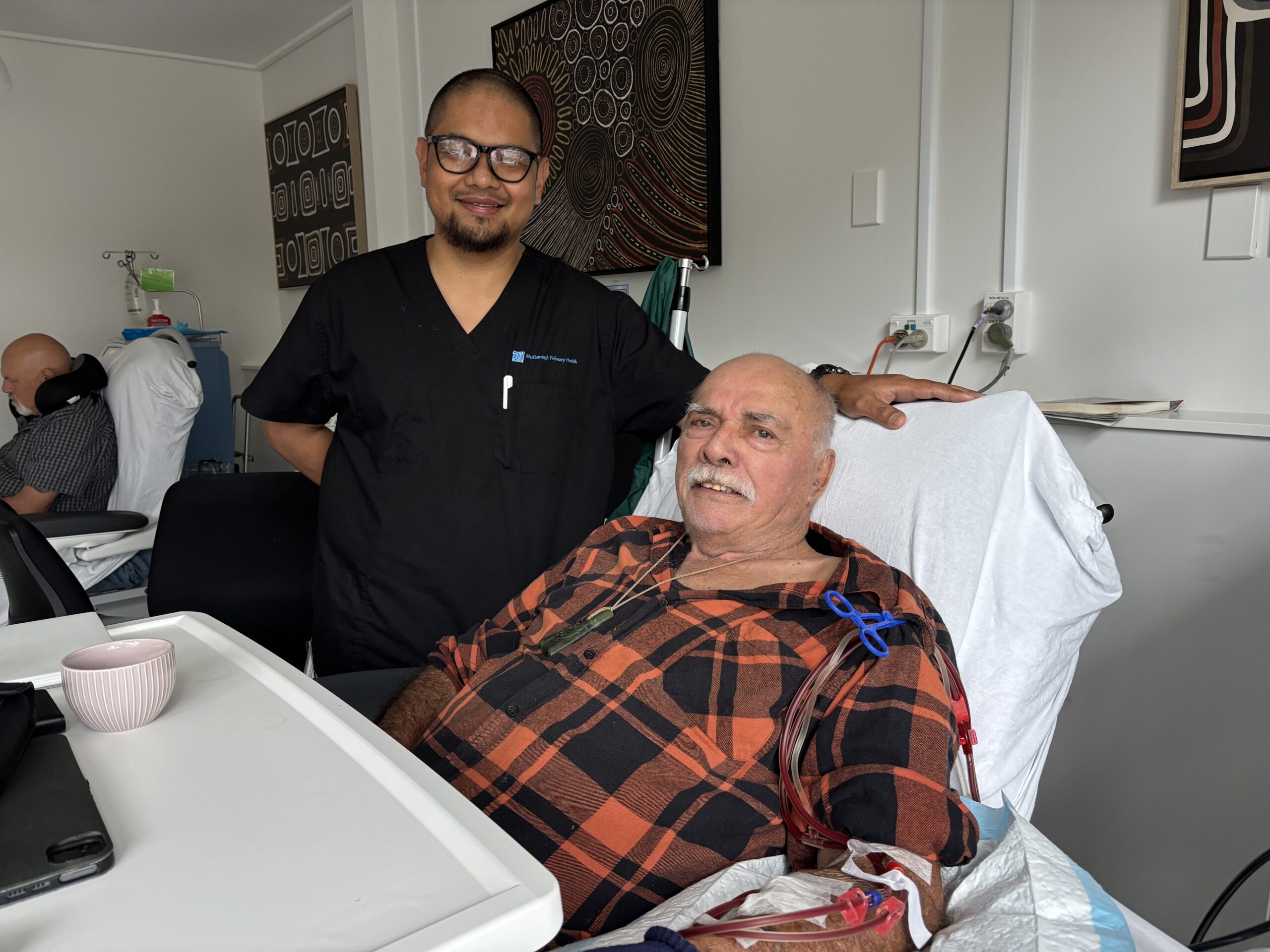
Six months after the opening of Tātari Toto Wairau Community Haemodialysis Unit, we caught up with Denis Gapper, a much-loved pāpā, koro and uncle, to see how life had changed.
The new unit has meant the end of constant travel to Nelson from his home in Blenheim, and, for Denis, it’s given him a new lease on life.
“When I got the news that Wairau was going to open the unit, I was on the verge of telling my wife, ‘righto, sell up, let’s move’. [It used to take] 10 hours, three days a week, from the time I left here to the time I got back.
“I’ve said it once, and I’ll say it here, the treatment won’t kill me, but the travel will.”
Uncle Denis says having the unit at Wairau has taken a load off him and his whānau. When we visited, he looked 10 years younger.
“It means I’ve got more freedom to go and do what I want to do. This afternoon, we’re probably going down to Picton for a ride; we either go to Picton or to Ward beach and sit there and listen to the waves crashing.
“The staff are excellent … I drive myself up there and I drive myself home – what else could I want?”
The four-chair unit is a true example of kotahitanga; it was led by Marlborough Primary Health, supported by Health New Zealand, iwi, Te Kāhui Hauora IMPB, and Te Piki Oranga. The facility also highlights the generosity of the Marlborough community. A number of local charities and philanthropic trusts have stepped up to fund dialysis chairs, TVs, resuscitation kits, heat pumps, and other vital equipment. Contributors include the Care Foundation, Marlborough Hospital Equipment Trust, Rātā Foundation, Churchill Trust, the Lotteries Community Grants, and Marlborough District Council.
Action Plan to Prevent and Reduce Substance Harm
Te Whatu Ora has released its Action Plan to Prevent and Reduce Substance Harm 2026-2029, which builds a foundation for a comprehensive and strategic health-system response to address substance-related harm.
The plan sets out the key actions the health system will undertake to strengthen New Zealand’s health response to increasing substance-related harm experienced by individuals, families and communities across the four priority areas of the mental health portfolio.
This plan recognises that substance harm is not just a health issue — it is a whānau, community, and equity issue and commits the system to prevention, early support, and treatment that is culturally grounded, evidence-based, and responsive to those most impacted.
For Hauora Māori Services, this includes a clear focus on reducing harm for Māori and leading work on Fetal Alcohol Spectrum Disorder (FASD), supporting whānau early and across the life course.
You can find the action plan here.
New appointments to Te Whatu Ora board
Health Minister Simeon Brown has announced a new chair and members for the Board of Health New Zealand.
Mark Darrow has been appointed Chair for a three-year term, commencing May 1, 2026.
“Mr Darrow is an experienced board chair and director with a strong track record across both the private and public sectors, including health. He brings expertise in finance, audit, risk, and assurance, which will be critical to driving performance and accountability,” says Minister Brown.
Michael Schubert and Dr Bryan Betty have also been appointed to the Board.
“Mr Schubert is a professional director experienced in supporting organisations with financial stewardship, audit and risk, and organisational change. He has governance experience in complex, highly regulated environments, including in health.
“Dr Betty is a specialist general practitioner who is well-respected as a sector leader and who has considerable governance experience. He will bring additional clinical and health system expertise to the Board, particularly in relation to primary care, which is a key priority for the Government.”
“As we look ahead, the Board will play a key role in supporting the transition to a nationally planned, locally and regionally delivered health system. From July 1, this will shift decision-making closer to patients, communities and frontline services, helping ensure care is more responsive to local needs."
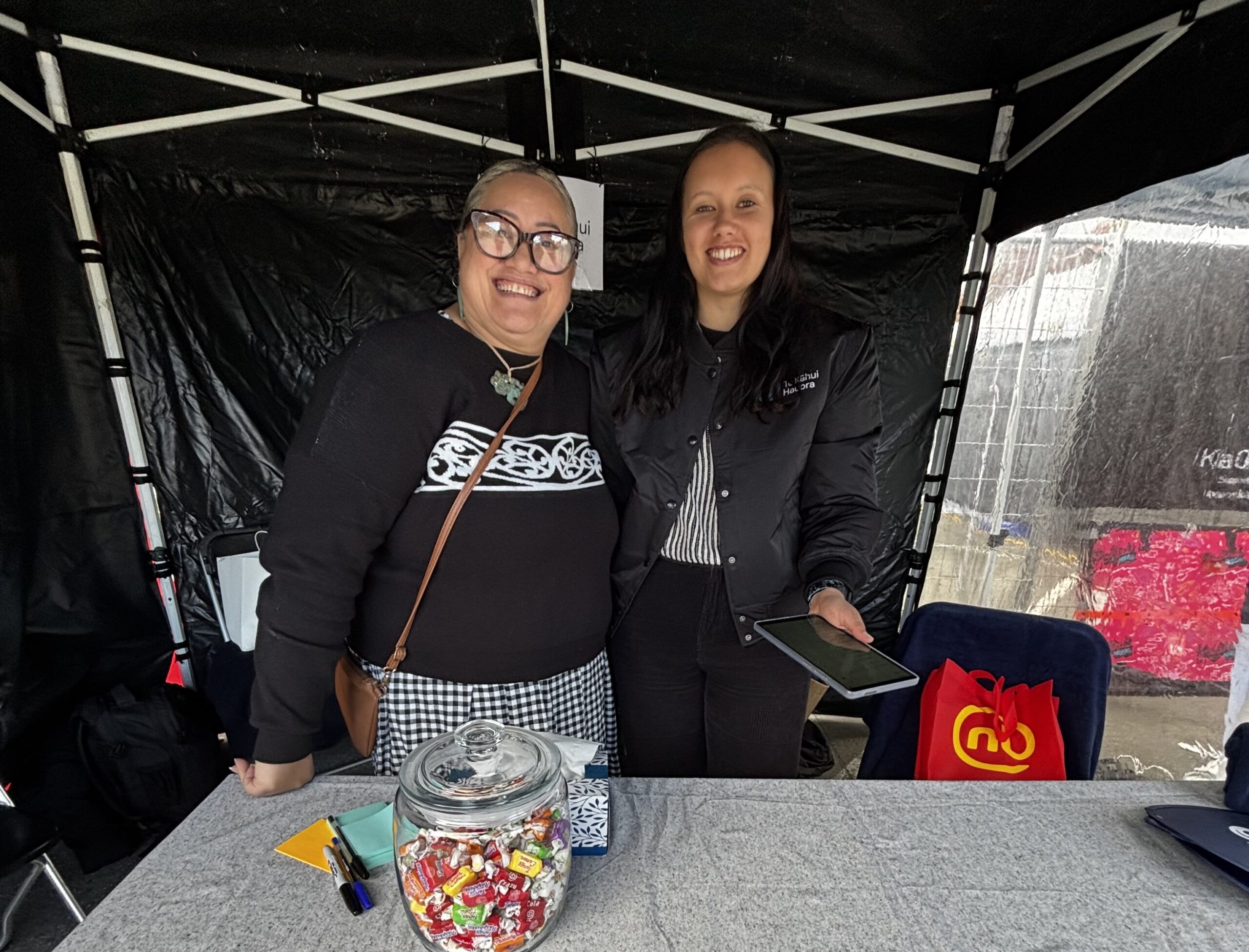
Kia Hūkere te Hoe
A huge mihi to those whānau who took the time to chat about our Whānau Voice kaupapa at Kia Hūkere te Hoe in Wairau.  Holly and Maria were on the stall in between performing and being on call for first aid.
It was a great couple of days, and our thanks go to the organisers, Te Tauihu Kapa Haka, for having us.
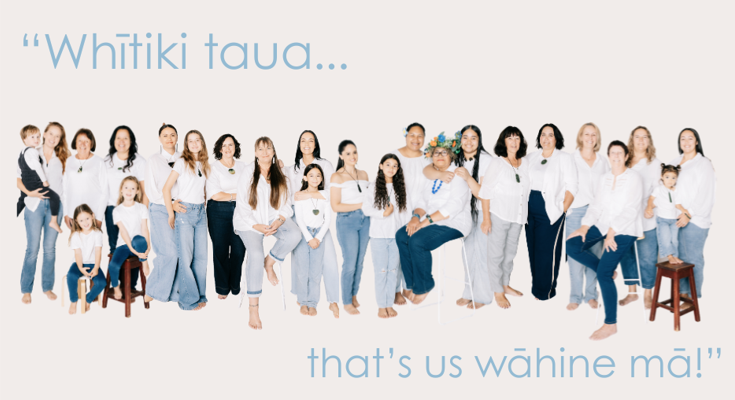
'That's Us, Wāhine Mā!'
Te Tauihu Māori hauora provider Te Piki Oranga is leading a screening campaign – That’s Us, Wāhine Mā – offering breast screening at Ukaipō in Grovetown, Wairau from now through to Friday, May 15.
It’s free for wāhine Māori and Pacific women aged 45-74. Bookings are essential - text/call Kaye on 027 836 6017 or phone 0800 270 200.
On Friday, May 8 and Saturday, May 9, extended services are also available, including cervical screening, immunisations, health checks, rongoā, hearing tests, and hauora support.
Don’t miss out, it’s a great way to get those health checks ticked off the list in a beautiful, caring environment. Bring a whānau member or a friend.