
Share your feedback
Health New Zealand Nelson Marlborough welcomes feedback from whānau about their experiences of hospital care. Feedback helps improve services, recognise great care and identify where things could be better.
Whether you would like to share a compliment, suggestion, concern or complaint, there are several ways to have your voice heard.
You can provide feedback by:
- Completing a feedback form available in hospital wards
- Using the online feedback form
- Emailing [email protected]
- Writing a letter
- Speaking directly with a staff member or asking to speak with the Feedback Coordinator
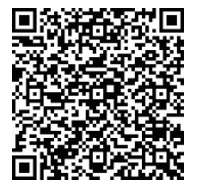 This QR code also links directly to the online feedback system, providing a simple, secure and private way to share your experience.
What happens when you make a complaint?
Complaints are managed under Right 10 of the Code of Health and Disability Services Consumers’ Rights. Health New Zealand aims to acknowledge your complaint within five working days and provide a written response within 20 working days where possible. If more time is needed, you should be kept informed.
Complaints are received by the Clinical Governance team and considered alongside the relevant clinical service. Information about your complaint is kept separate from your health record and is only accessed by those involved in responding to your concern.
If you or your whānau would like independent tautoko when raising a concern or complaint, the Nationwide Health and Disability Advocacy Service is also available.
Contact the Nationwide Health and Disability Advocacy Service
Freephone: 0800 555 050 | Email: [email protected]

He rongoā te waiata
Sometimes the best support isn’t clinical at all.
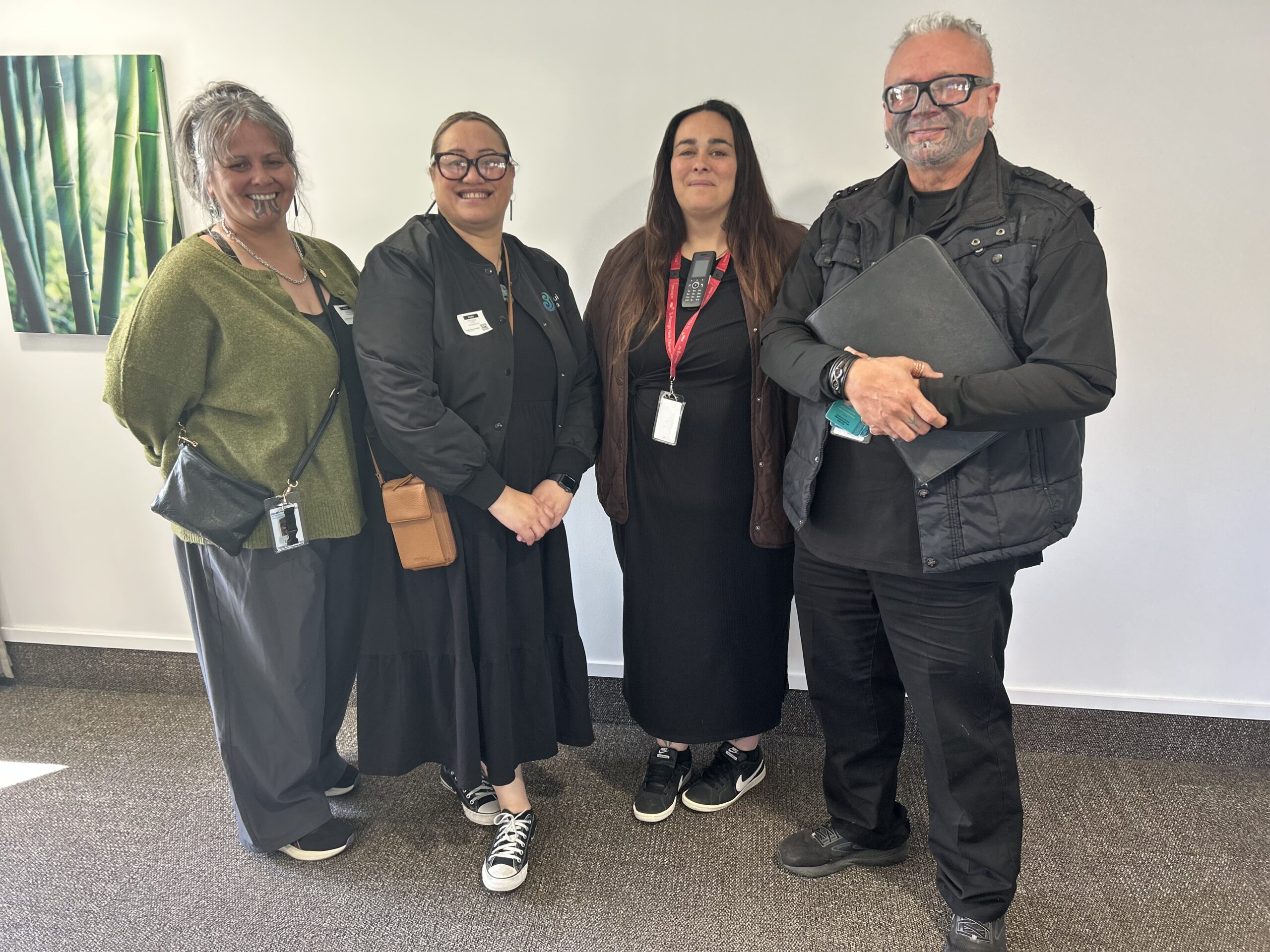
Our Clinical Lead Maria joined kaimahi and tangata whaiora at Wāhi Oranga Mental Health Inpatient Unit in Whakatū for a waiata session alongside Tui Lister, Pou Korowai Te Waka Hauora, Hana Randall, Pou Manaaki Hauora Hinengaro Wāhi Oranga, and Sean Te Moananui, Pou Manaaki Te Waka Hauora.
Waiata carry kōrero, whakapapa and emotion. They bring people together and, in spaces like Wāhi Oranga, can also be a form of rongoā.
What made this session particularly special was seeing tangata whaiora leading waiata themselves, picking up the guitar and joining their voices with kaimahi and whānau.
For Maria, being there was also simply about tautoko, spending time alongside the kaimahi doing this mahi and the whānau they care for.
Mihi nui ki a koutou for welcoming us in.
Working together for whānau
Part of our mahi is staying connected to the people doing the work across our health system.
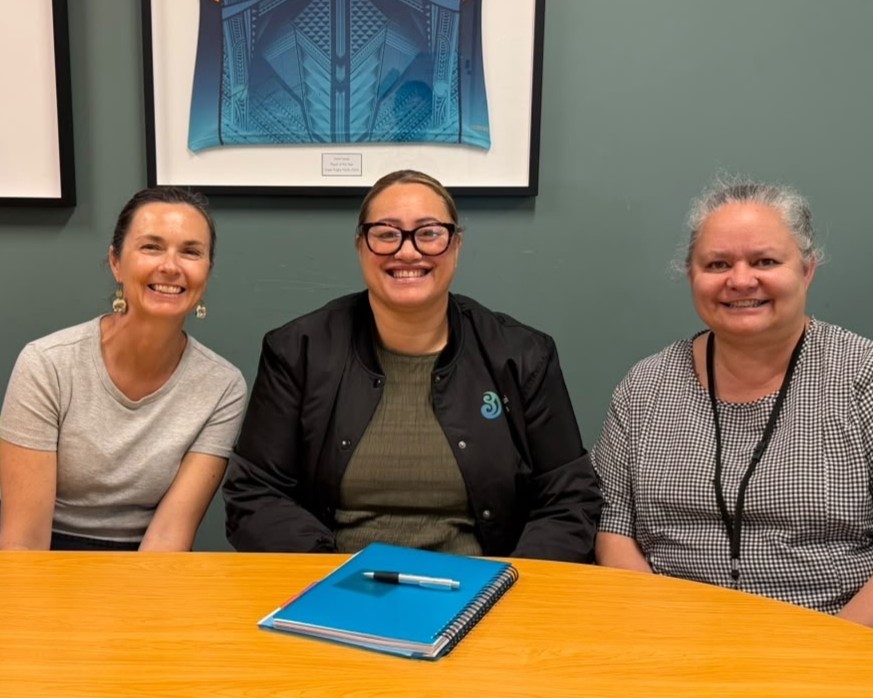
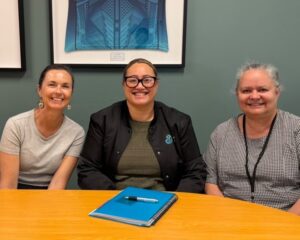 Our Clinical Lead Maria caught up with Nelson Bays Primary Health's Tonia Talbot, General Manager Health and Wellbeing, and Rebecca Colley, Equity Manager, for a good kōrero about what’s happening across Te Tauihu and where we can work more closely together.
Rangatahi health services, making it easier to connect people with mental health support, and strengthening connections between our organisations were all on the table
There’s also some exciting mahi happening around growing our local health workforce, including training more GPs here in Te Tauihu.
For Te Kāhui Hauora, these conversations matter. Strong relationships across our health system help us understand what’s happening on the ground, where the gaps are, and where working together can make things better for whānau.
Mihi nui ki a Tonia and Rebecca for the kōrero and for making the time for us.
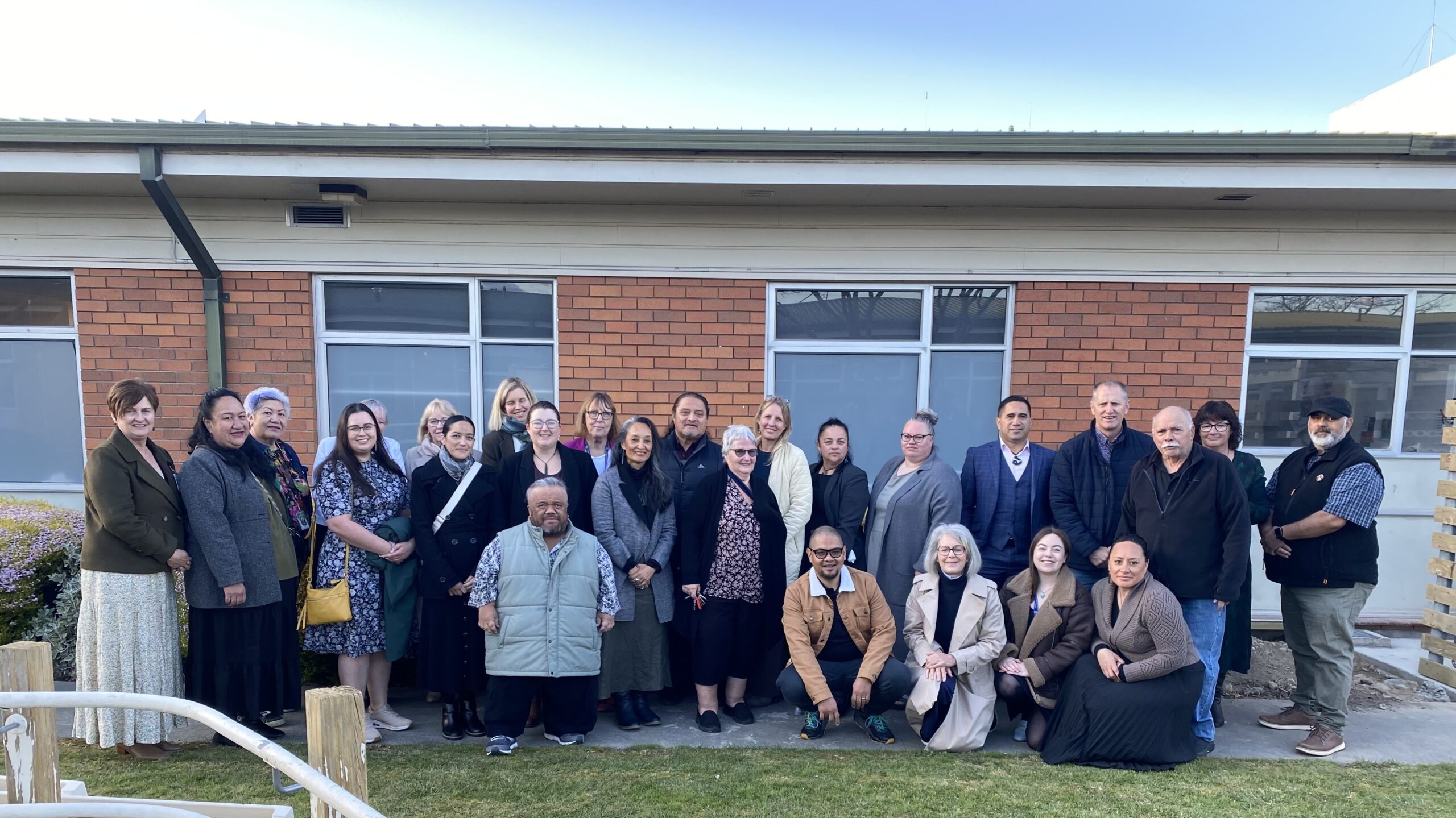
Tātari Toto up for award
Great news for Wairau, with Tātari Toto Wairau Community Haemodialysis Unit named a finalist in the 2026 New Zealand Primary Healthcare Awards | He Tohu Mauri Ora, in the Innovation in Service Delivery category.
The recognition is particularly special for Te Kāhui. The need for local dialysis was raised through whānau voice, after the Board heard about the huge toll of travelling to Nelson several times a week for treatment.
Tātari Toto opened last year through a collective effort led by Marlborough Primary Health, and involving Health New Zealand, Te Piki Oranga, iwi, Te Kāhui Hauora, and the wider Marlborough community.
Marlborough Primary Health chief executive Beth Tester is also a finalist for Outstanding Contribution to Health.
And Wairau has form. Last year, our friends at Manu Ora took home General Practice of the Year.
Ka rawe Tātari Toto!
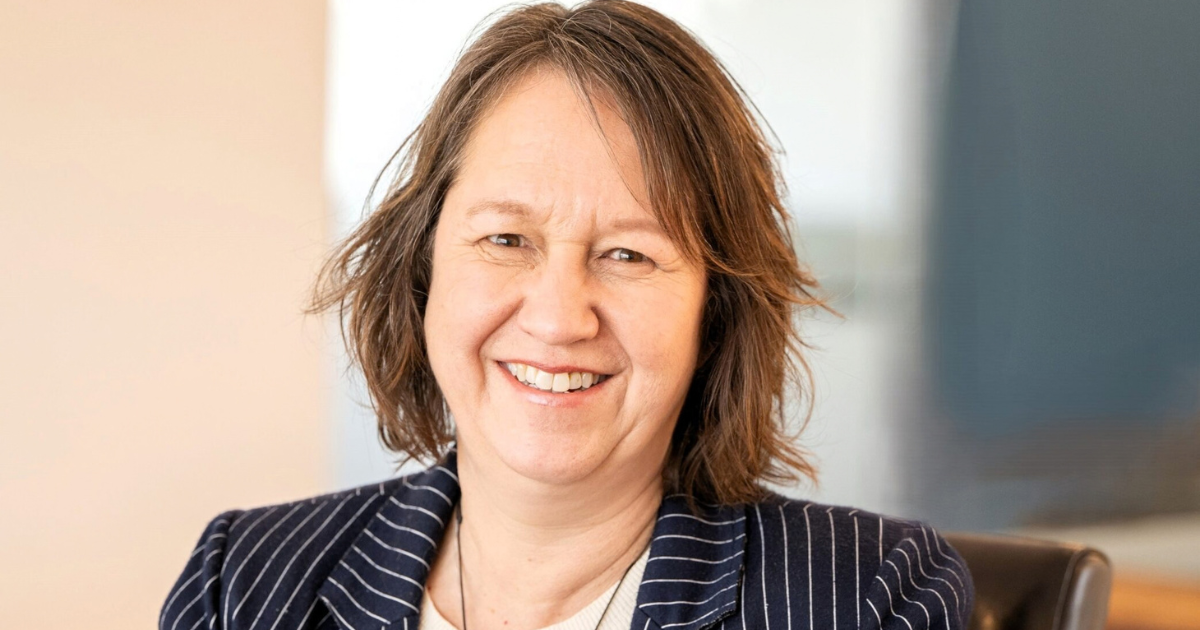
He mihi nui ki a Rebecca
 Whaia te pae tawhiti.
 Whaia te pae tawhiti.
It’s a bittersweet announcement for us at Te Kāhui Hauora, as we farewell Rebecca Mason, the representative for Te Rūnanga o Ngāti Kuia on our Board, and celebrate her appointment as Group Manager Integration, Nelson Marlborough with Health New Zealand - Te Whatu Ora.
Rebecca has brought enormous experience and insight to our Board, alongside a deep commitment to hauora Māori and improving the experiences and outcomes of whānau across Te Tauihu.
While we’re sorry to lose her from around our Board table, we’re also incredibly proud to see her take that commitment into a senior leadership role within the health system here in Te Tauihu.
There is important mahi ahead for hauora Māori and having people within the system who understand our rohe, our whānau and the importance of genuine partnership matters.
Rebecca takes up her new role on 5 October.
Ngā mihi nui, e hoa. We’ll miss you around the Board table, but we’re very pleased you’re not going far.
Cultural supervision support
Some of the best learning in our mahi comes from having the space to step back, reflect and kōrero with someone who understands the work.
Te Kāhui Hauora is offering a limited number of funded cultural supervision sessions for Māori working in hauora across Te Tauihu.
Cultural supervision is a chance to step away from the day-to-day demands of the mahi and have dedicated space to reflect, talk things through and grow your practice. Grounded in tikanga Māori, it brings culture, whānau and the realities of the work into the conversation, providing support that understands both who you are and the mahi you do.
The support will be provided by Melissa Sadd of Pā Wai Harakeke. Melissa is a registered social worker with 19 years’ experience across kaupapa Māori, community and public health settings, and holds a Postgraduate Diploma in Bicultural Professional Supervision.
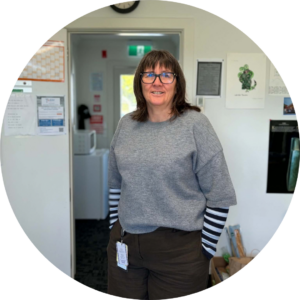
For Melissa, supervision is a professional process that supports safe, ethical, reflective and accountable practice. Through a cultural lens, it also creates space for tikanga, whanaungatanga, manaakitanga and the realities of working with whānau to be part of that reflection.
This offer is part of Te Kāhui’s wider focus on strengthening and supporting the Māori health workforce. Sometimes a few sessions may be all that is needed. For others, it might provide an introduction to cultural supervision that can then be continued through workplace or EAP support.
To be eligible, you need to be Māori, live in Te Tauihu, be working with whānau and complete the Whānau Voice survey. Spaces are limited.
If you’re interested, or you’re not sure whether cultural supervision might be useful for you, get in touch with Maria at [email protected]. She’ll have a kōrero with you and help arrange the support.