Whānau Voice Lead
Whānau Voice Lead
Whakatū, preferred – but negotiable
Fixed term: Now – July 31, 2027
Te Kāhui Hauora o Te Tauihu IMPB is on the lookout for a Whānau Voice Lead to support our Whānau Voice programme and ensure the lived experiences, aspirations, and voices of whānau remain central to the organisation's planning, monitoring, and improvement activities.
Working closely with iwi, marae, hauora providers, and community partners, the Whānau Voice Lead co-ordinates the ongoing delivery of the Whānau Voice programme, including engagement, survey implementation, thematic analysis, reporting, communications, and monitoring.
As well as working to develop and maintain trusted relationships with iwi, hapū, marae, hauora providers, and whānau, the Whānau Voice lead will:
- Actively participate in the collection of Whānau Voice through surveys, interviews, hui, case studies, community events, and engagement activities across Te Tauihu.
- Co-ordinate commissioning arrangements with iwi and community partners where appropriate.
- Build and maintain trusted relationships that encourage meaningful participation from whānau.
- Maintain high standards of data quality, confidentiality, cultural safety, and integrity.
- Support iwi-led approaches to gathering Whānau Voice.
- Maintain visibility within communities by regularly participating in iwi, marae, provider, and community events.
- Prepare reports, summaries, presentations, dashboards, and briefing material.
- Identify emerging themes, trends, and opportunities for improvement.
We are looking for someone who:
- Holds a relevant tertiary qualification in public health, research, community development, Māori development, social sciences, or a related discipline.
- Has experience co-ordinating research, surveys, or community engagement programmes.
- Has experience collecting, organising, and analysing qualitative and quantitative information.
- Has experience working with iwi, marae, kaupapa Māori organisations, and Māori communities.
- Holds a strong understanding of kaupapa Māori approaches to engagement.
- Experience preparing reports, presentations, and communicating complex information clearly.
- Knowledge of the Pae Ora (Healthy Futures) Act 2022 and the role of Iwi Māori Partnership Boards is desirable.
- Displays strong interpersonal skills.
- Holds deep respect for whānau stories and lived experience.
- Culturally grounded, empathetic, and collaborative.
- Strong analytical and critical thinking skills.
- Excellent written and verbal communication skills.
- Passionate about improving hauora Māori outcomes.
- Committed to continuous learning and improvement.
If this sounds like you, please email a cover letter and your CV to Pouwhakahaere Kim Ngawhika at [email protected] by Friday, July 25, 2026.

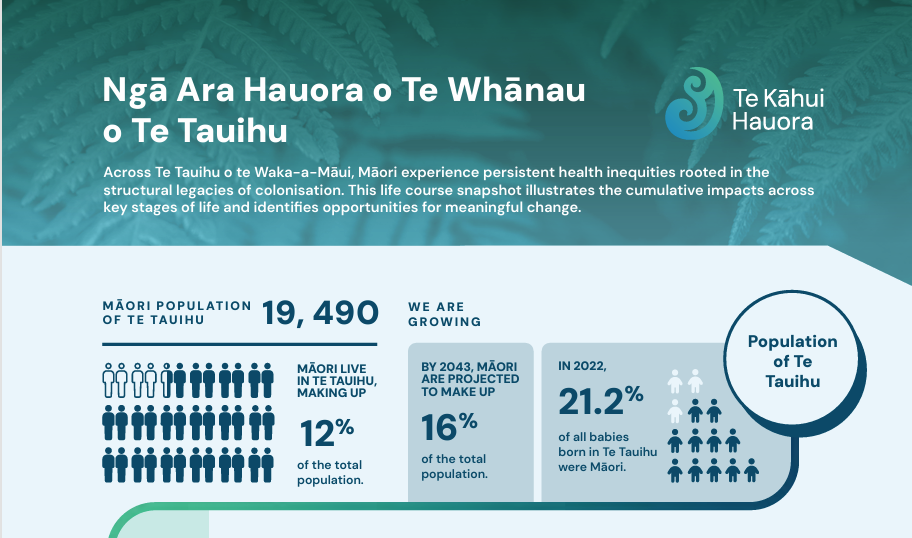
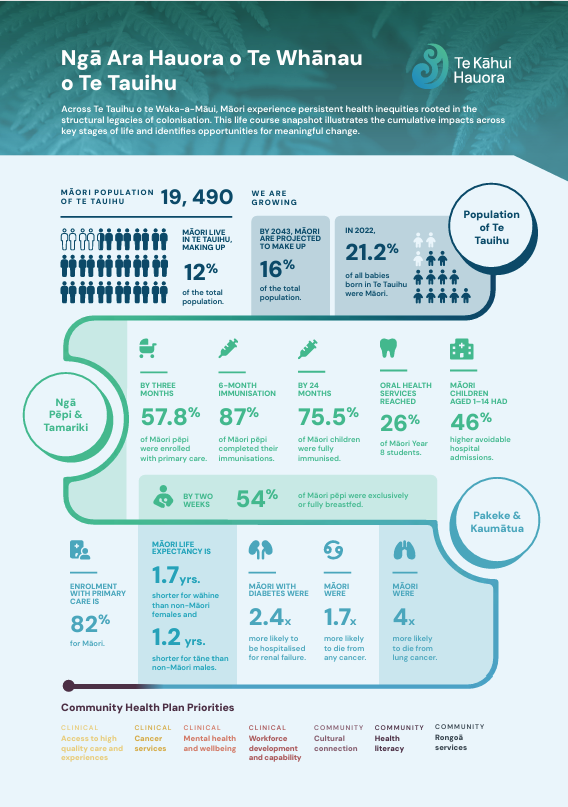
Ngā Ara Hauora o Te Whānau o Te Tauihu
Across Te Tauihu o te Waka-a-Māui, Māori experience persistent health inequities rooted in the
structural legacies of colonisation. This life course snapshot illustrates the cumulative impacts across key stages of life and identifies opportunities for meaningful change.
Stay protected against pertussis
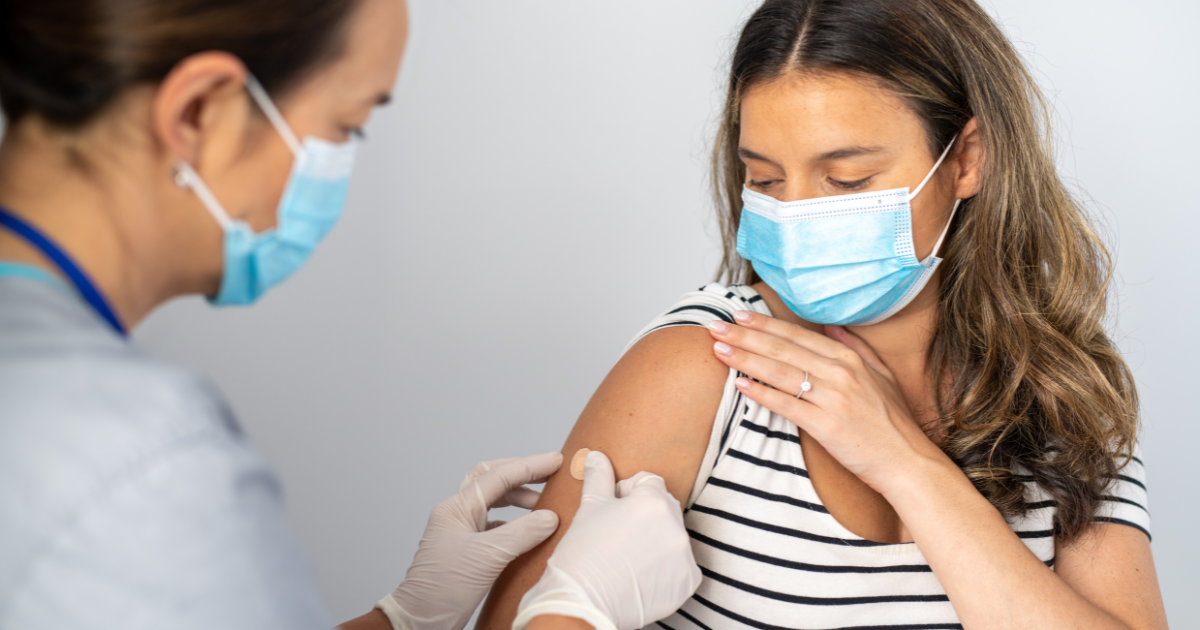
Pertussis (whooping cough) is an illness we need to protect against. It is highly contagious and can cause serious harm to pēpi and older adults. A pertussis epidemic, which was declared in November 2024, is ongoing in Aotearoa New Zealand with significant numbers of people continuing to be affected across the motu.
Antenatal immunisations are free and are recommended from 16 weeks of every pregnancy. Pertussis boosters are also given at 11 years, 45 years (if fewer than four tetanus doses previously), and 65 years in addition to the routine childhood immunisation schedule.
Immunisation is available from your GP, Hauora Māori service, by many midwives, or at most vaccinating pharmacies.

Health funding warning
Kaitiaki Hauora released new economic analysis ahead of Budget 2026, warning New Zealand’s public healthcare system remains significantly underfunded, with planned increases in health spending unlikely to meaningfully improve access to care. The analysis found New Zealand spends around $1.1 billion less per year on health than comparable OECD countries with similar public healthcare systems.
The Government announced $1.370 billion in additional health funding for the coming year in Budget 2026, equivalent to $5.48 billion over four years. However, the report shows much of that increase is likely to be absorbed by rising costs, population growth and demographic pressures.
A pre-Budget Cabinet paper also indicated new and expanded services are expected to be funded from within that same allocation. According to Kaitiaki Hauora, that means many existing services are likely to remain under pressure, with current challenges across the health system expected to continue or intensify.
Future of work
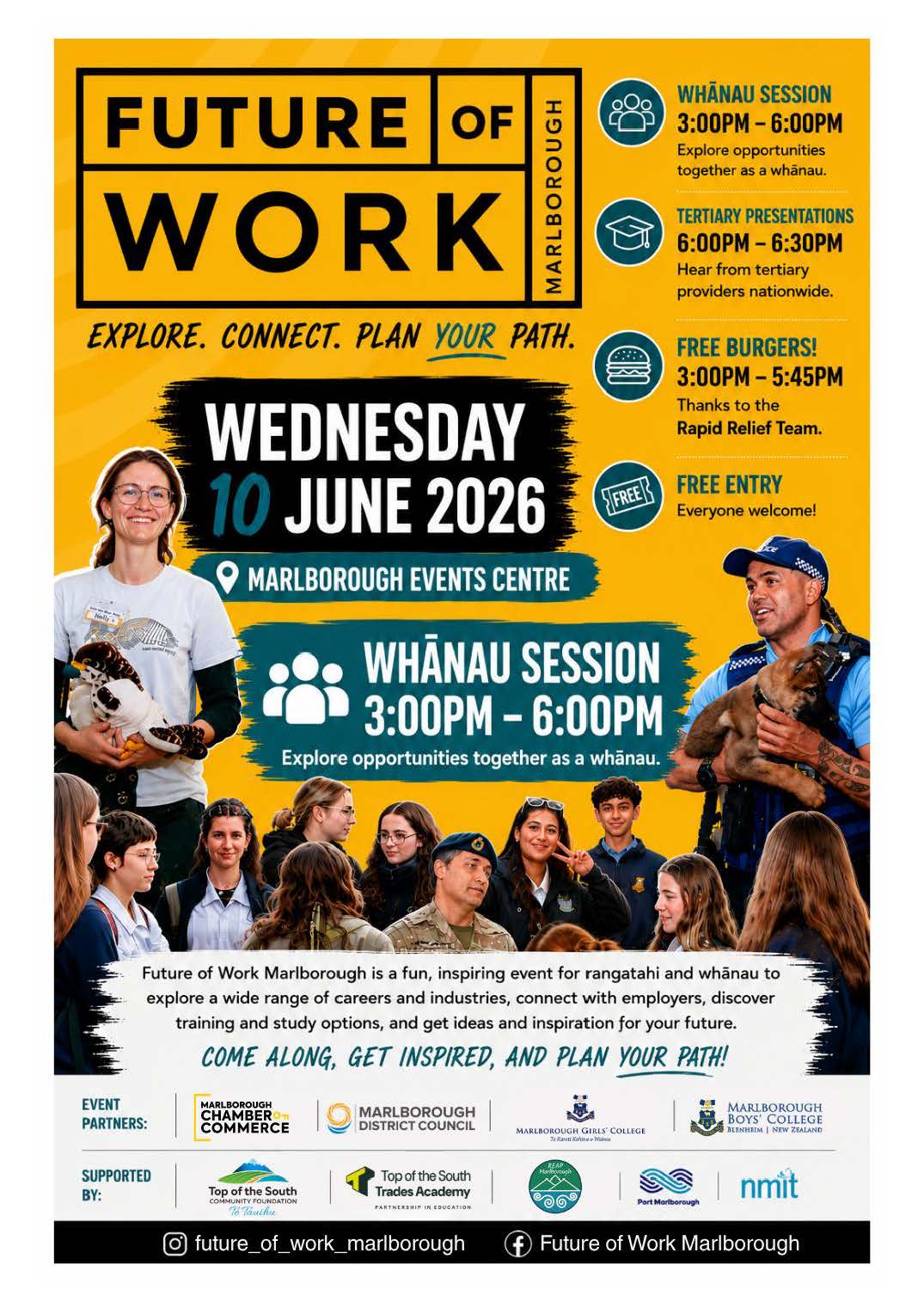
Manu Ora will join the Marlborough PHO, Te Whatu Ora Nelson Marlborough, and Churchill Hospital at Future of Work 2026 this week in Blenheim to support local rangatahi to explore pathways into health.
“We see this as a very important opportunity to awhi young people as they consider their futures, help them connect with health professionals, and imagine the positive impact they can have for whānau and hapori,” said Dr Sara Simmons, Mātanga Rata at Manu Ora.
“We’ve been involved in Future of Work since it began in 2019, and this mahi has already paid dividends, with local young people who hadn’t otherwise considered careers in health succeeding in their studies and joining the workforce.” Please share the word and encourage whānau to attend Future of Work, especially the “Whānau Session” being held from 3pm to 6pm on Wednesday, June 10 at the Marlborough Events Centre.

Proposed Pharmac changes risk deepening inequity
Te Kāhui Hauora IMPB is pushing back on Pharmac’s proposal to remove priority access to type 2 diabetes meds for Māori and Pacific peoples.
Pharmac is proposing to widen access to three type 2 diabetes medicines from August, and we applaud that, but in the process, the criteria that enable access to Māori and Pacific people are to be removed.
Equity mechanisms within the health system did not emerge by accident. They have been developed in response to longstanding evidence that equal treatment within an unequal system was not delivering equitable outcomes for Māori.
Targeted access to SGLT2 inhibitors has demonstrated significant reductions in mortality risk for Māori and Pacific peoples, while earlier treatment may delay progression to dialysis by up to 15 years. This is not preferential treatment. This is clinically justified and potentially life-saving intervention.
The initial two-week consultation period on the proposal has now been extended to Thursday, June 11, 2026. You can have your say here.
Make sure your whānau are registered with a GP
E te whānau, GPs are your first point of contact for all your health needs. In Te Tauihu, about 18% of whānau Māori are currently not registered with a GP.
Te Kāhui Hauora IMPB, Te Piki Oranga, Te Hauora o Ngāti Rārua, Nelson Bays Primary Health, and Marlborough Primary Health can all work directly with whānau to connect them with a GP in their area. Self-enrolment is also straightforward. The most important thing to us is that all whānau are registered and able to access the services they need.
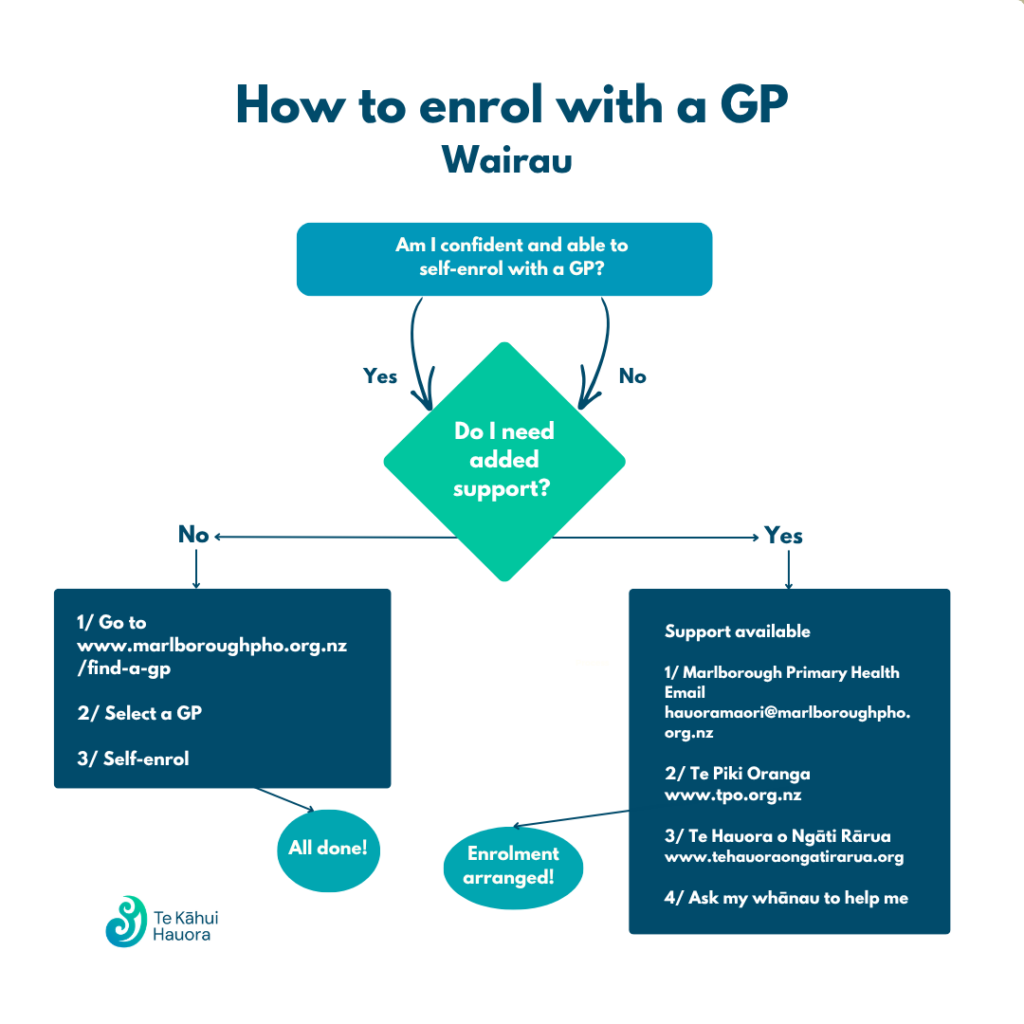
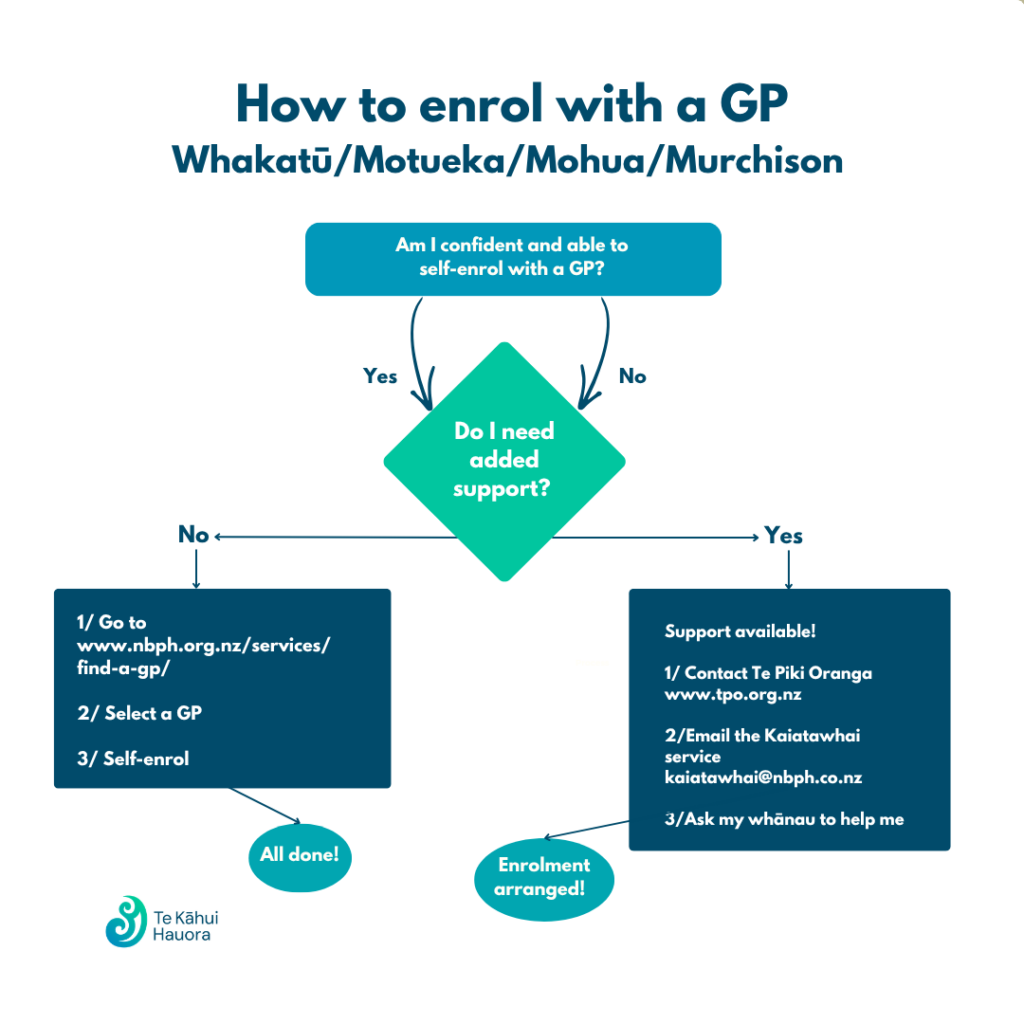
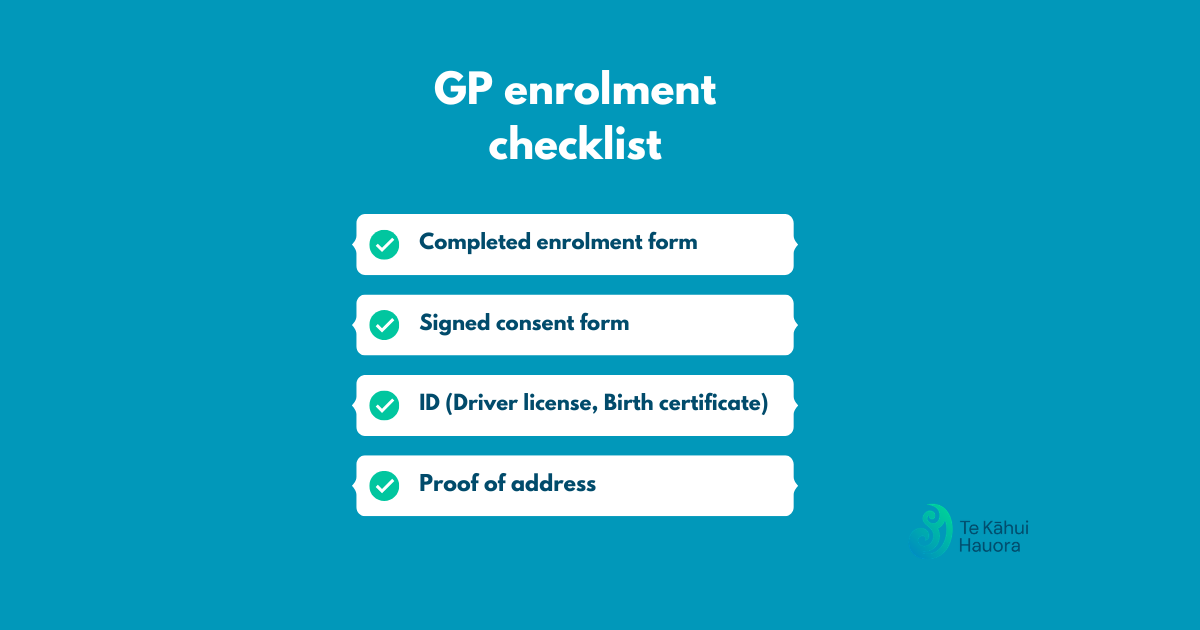
WHAT YOU NEED TO ENROL
There are a few things you need to enrol with a GP, e te whānau.
1/ Completed enrolment form (this will differ depending on which GP you select).
2/ A signed consent form which allows GPs to share information with their Primary Health Organisation (either Nelson Bays Primary Health or Marlborough Primary Health)
3/ ID, either your Driver license, birth certificate or passport
4/ Proof of address
Ngā mihi nui ki a koutou. Being enrolled with a GP is an essential step to receiving the care you may need.
New pilot programme to support Māori job seekers
E te whānau, are you thinking about a career in health? Check out this new pilot programme, Ngā Ara Tūhono o Te Tauihu!
Ngā Aho Tūhono o Te Tauihu is a three-week pilot programme designed to support Māori jobseekers into qualifications and employment pathways within the health sector.
Who is running it?
Ngā Aho Tūhono o Te Tauihu is a pilot programme endorsed by the Regional Intersectoral Forum (RIF) and developed in partnership between the eight iwi of Te Tauihu, NMIT, Te Whatu Ora | Health NZ, the Ministry of Social Development, Te Kotahi o Te Tauihu Trust and Te Kāhui Hauora Iwi Māori Partnership Board.
It is being co-ordinated by Te Kotahi o Te Tauihu Trust and will also call on the expertise of our local Te Tauihu Hauora Māori Providers as well as others already working within the health system
What is the Regional Intersectoral Forum (RIF)?
Te Tauihu Regional Intersectoral Forum (RIF) brings together senior leaders of Te Tauihu iwi, government agencies and the three councils of Te Tauihu (Nelson City Council, Tasman District Council, Marlborough District Council).
What will tauira learn?
The three-week programme will provide participants with an introduction to the skills and knowledge that are valued in the health sector. It will include information about the range of opportunities in health, from clinical fields to health care assistants, and in support departments such as IT, administration, and security.
The programme will also include practical topics that are useful in the workplace, such as basic computer skills, use of AI, information sharing and privacy, health and safety, and first aid.
How does this provide a pathway to a job?
Participants will be provided with support to transition into the workforce. Once in work, Te Kotahi o Te Tauihu Trust will provide ongoing cultural guidance and mentorship, and the NMIT Manaaki Rōpū will offer advice and support for further training and qualifications.
Who can enrol?
Ngā Aho Tūhono o Te Tauihu is open to Māori jobseekers in the Nelson and Tasman region.
Are spaces limited?
Yes, there are limited spaces available for this pilot, so tell your whānau and friends, and give them a nudge to sign up quick.
Does it cost anything?
The programme is free and will include any training materials required. Help with the cost of transport may be available.
When and where is this happening?
The three-week programme commences on Monday 22 June 2026 and runs Monday to Friday from 9am to 3pm. It will be delivered at the NMIT campus in Hardy Street, Nelson.
How do I find out more?
A huihuinga kōrero (information session) will be held on Monday 15 June 2026 at 1.30pm at NMIT campus. You can register your interest in attending the information session here by Friday 12 June at 12pm. Or email Haki Turu [email protected] for further information.

New regional datasets
New regional data from the New Zealand Health Survey has been released, providing up‑to‑date insights into the health and well-being of whānau Māori across the motu. The Regional Data Release brings together results from multiple years of the continuous Health Survey using a three‑year rolling average, making it easier to understand patterns and differences at regional and local levels, including across health regions, councils, and Iwi Māori Partnership Board areas.
The updated data covers a wide range of health topics for adults and tamariki, with breakdowns by age, gender, ethnicity, disability status, and neighbourhood deprivation. This enables Māori health providers, iwi partners, and planners to explore how outcomes vary across different communities and life stages, supporting more informed kaupapa Māori decision‑making and local service planning. Guidance and an indicator reference guide are available to support interpretation and ensure the data is used appropriately and consistently.
We encourage the Māori health sector and iwi partners to explore the results and consider how this information can support local priorities, commissioning, and advocacy. The full regional data tables, supporting guidance, and downloads are available on the Ministry's website: www.health.govt.nz/publications/regional-data-release-new-zealand-health-survey.
Tūpuna Parenting
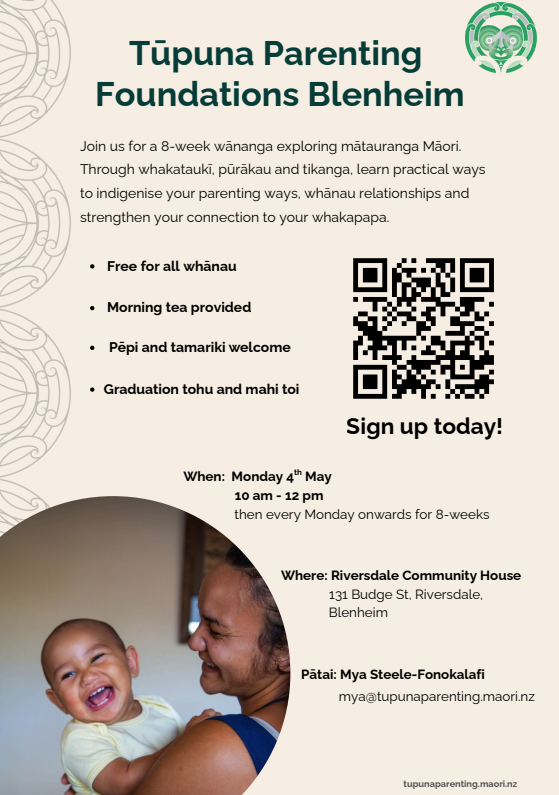
Te Piki Oranga’s Tamariki Ora team in Wairau is hosting an eight-week Tūpuna Parenting Foundations course.
Through whakataukī, pūrākau and tikanga, participants learn practical ways to indigenise parenting, whānau relationships and strengthen connections to whakapapa.
This course is free. Please self-register or reach out to Mya Steele-Fonokalafi by emailing [email protected] to see if spaces are still available.
https://youtu.be/s2TsxIWrkVE?si=_xv6HdIEqebEWh2w